


Chưa phân loại
Thiết Bị Bảo Vệ Cá Nhân (PPE) Là Gì? Hướng Dẫn Đầy Đủ Từ A-Z
Th7
Thiết bị bảo vệ cá nhân (PPE) là yếu tố cốt lõi trong hệ thống an toàn lao động hiện đại, giúp bảo vệ người lao động khỏi các rủi ro như rơi ngã, va đập, hóa chất, bụi và tiếng ồn trong môi trường làm việc. Từ xây dựng, công nghiệp đến rope access và cứu hộ, việc trang bị PPE phù hợp không chỉ đảm bảo an toàn mà còn giúp doanh nghiệp tuân thủ tiêu chuẩn kỹ thuật và quy định pháp lý. Trong bài viết này, FPR Supply sẽ giúp bạn hiểu rõ PPE là gì, gồm những thiết bị nào, tiêu chuẩn ra sao và cách lựa chọn PPE phù hợp cho từng ứng dụng thực tế.
PPE là gì?
PPE (Personal Protective Equipment) là thuật ngữ dùng để chỉ thiết bị bảo vệ cá nhân được trang bị cho người lao động nhằm giảm thiểu rủi ro tai nạn, chấn thương và ảnh hưởng sức khỏe trong môi trường làm việc. PPE đóng vai trò là lớp bảo vệ cuối cùng khi các biện pháp kiểm soát kỹ thuật và quy trình chưa thể loại bỏ hoàn toàn nguy cơ.
Mục đích của PPE
Thiết bị bảo vệ cá nhân được thiết kế để:
- Bảo vệ cơ thể khỏi va đập, rơi ngã, hóa chất, bụi và tiếng ồn
- Giảm mức độ nghiêm trọng khi xảy ra sự cố
- Hỗ trợ người lao động làm việc an toàn và ổn định hơn
- Đáp ứng yêu cầu an toàn trong các ngành xây dựng, công nghiệp, điện lực và làm việc trên cao
Vì sao PPE là thiết bị bắt buộc
Trong hầu hết môi trường lao động có rủi ro, việc sử dụng PPE là yêu cầu bắt buộc nhằm bảo vệ tính mạng người lao động và đảm bảo doanh nghiệp tuân thủ quy định an toàn. PPE không chỉ giúp giảm tai nạn lao động mà còn là yếu tố quan trọng trong hệ thống quản lý an toàn hiện đại.
Việc lựa chọn đúng PPE theo mức độ rủi ro, tính chất công việc và tiêu chuẩn kỹ thuật là nền tảng để xây dựng môi trường làm việc an toàn, chuyên nghiệp và bền vững.
Các nhóm thiết bị bảo vệ cá nhân PPE phổ biến
Thiết bị bảo vệ cá nhân (PPE) được phân chia theo khu vực cơ thể cần bảo vệ và mức độ rủi ro trong môi trường làm việc. Việc hiểu rõ từng nhóm PPE giúp doanh nghiệp xây dựng hệ thống an toàn đầy đủ và lựa chọn thiết bị phù hợp cho từng ứng dụng.
Thiết bị bảo vệ đầu
- Mũ bảo hộ chống va đập, chống điện, chống rơi vật
- Phụ kiện như dây quai, tấm che mặt, đèn gắn mũ
Thiết bị bảo vệ mắt & mặt
- Kính bảo hộ chống bụi, chống hóa chất, chống tia UV
- Tấm che mặt dùng trong hàn cắt hoặc môi trường nguy hiểm
Thiết bị bảo vệ hô hấp
- Khẩu trang lọc bụi, mặt nạ phòng độc
- Bộ lọc khí cho môi trường hóa chất, sơn hoặc không gian hạn chế
Thiết bị bảo vệ tay
- Găng tay chống cắt, chống hóa chất, chịu nhiệt
- Găng tay chuyên dụng cho cơ khí, xây dựng và công nghiệp nặng
Thiết bị bảo vệ chân
- Giày bảo hộ chống trượt, chống đinh, chống va đập
- Ủng bảo hộ cho môi trường ẩm ướt hoặc hóa chất
Thiết bị fall protection (bảo vệ chống rơi)
- Dây đai an toàn, dây nối chống sốc, thiết bị tự rút
- Rope, carabiner, pulley và hệ thống điểm neo
- Thiết yếu trong làm việc trên cao, rope access và cứu hộ
Việc kết hợp đầy đủ các nhóm PPE giúp tạo nên hệ thống bảo vệ cá nhân toàn diện, giảm rủi ro tai nạn và đảm bảo tuân thủ tiêu chuẩn an toàn trong từng ngành nghề.
PPE cho làm việc trên cao
Làm việc trên cao là một trong những môi trường có mức độ rủi ro cao nhất, vì vậy hệ thống PPE cần được thiết lập đầy đủ để kiểm soát nguy cơ rơi ngã và đảm bảo an toàn khi thao tác. PPE cho làm việc trên cao không chỉ gồm một thiết bị đơn lẻ mà là hệ thống chống rơi hoàn chỉnh hoạt động đồng bộ.
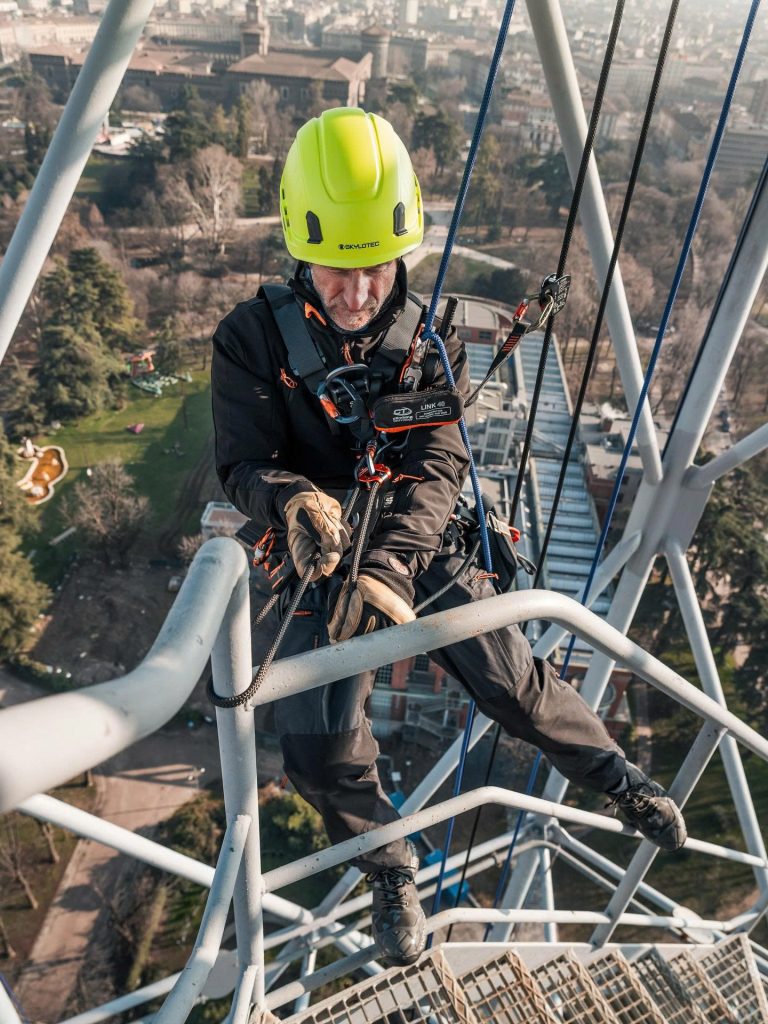
Harness (dây đai an toàn toàn thân)
- Thiết bị trung tâm của hệ fall protection
- Phân bổ lực khi xảy ra sự cố rơi
- Có nhiều điểm móc cho chống rơi, định vị và rope access
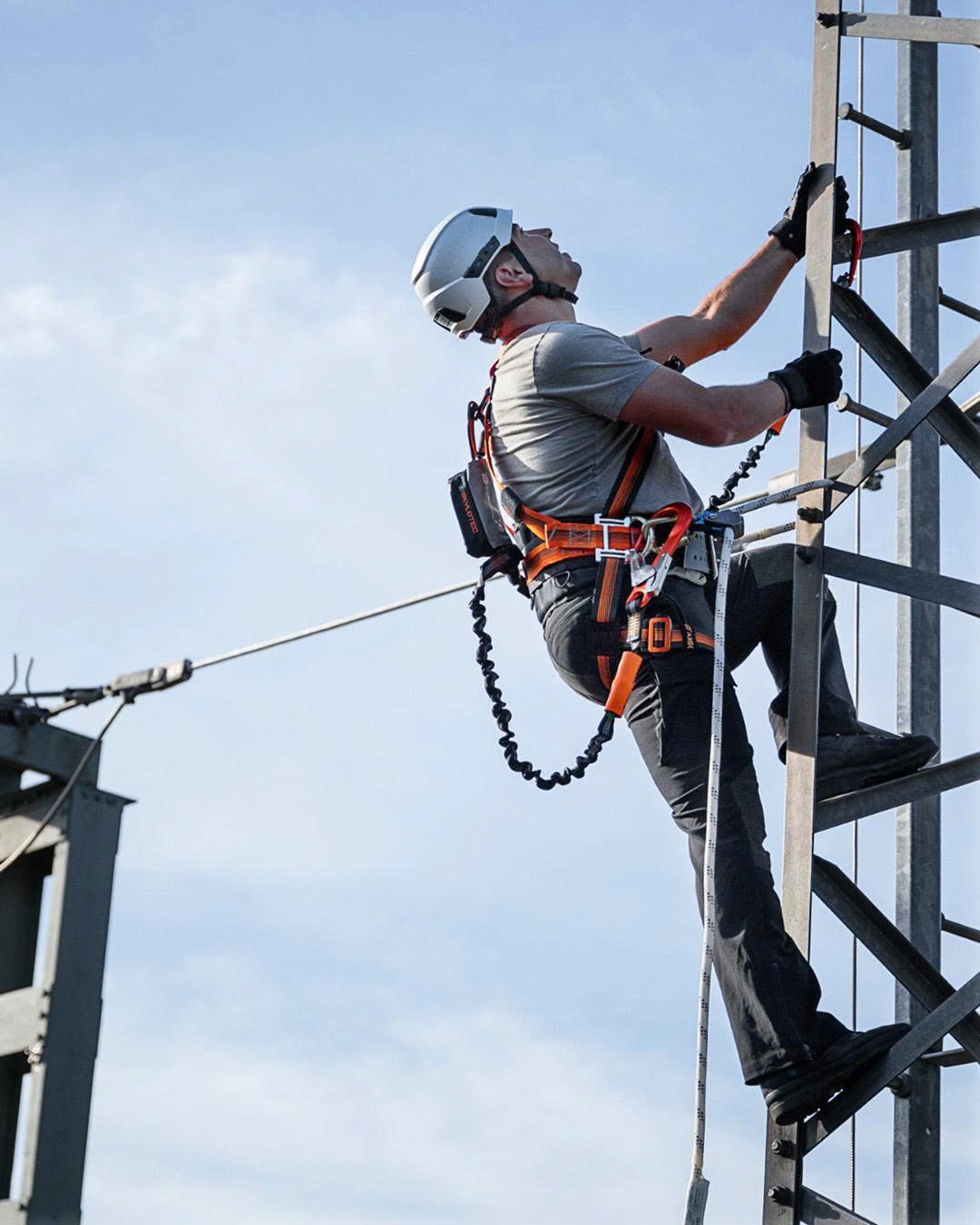
Lanyard (dây nối chống rơi)
- Kết nối dây đai với điểm neo
- Có thể tích hợp bộ giảm chấn để hấp thụ lực rơi
- Phù hợp cho xây dựng, công nghiệp và bảo trì
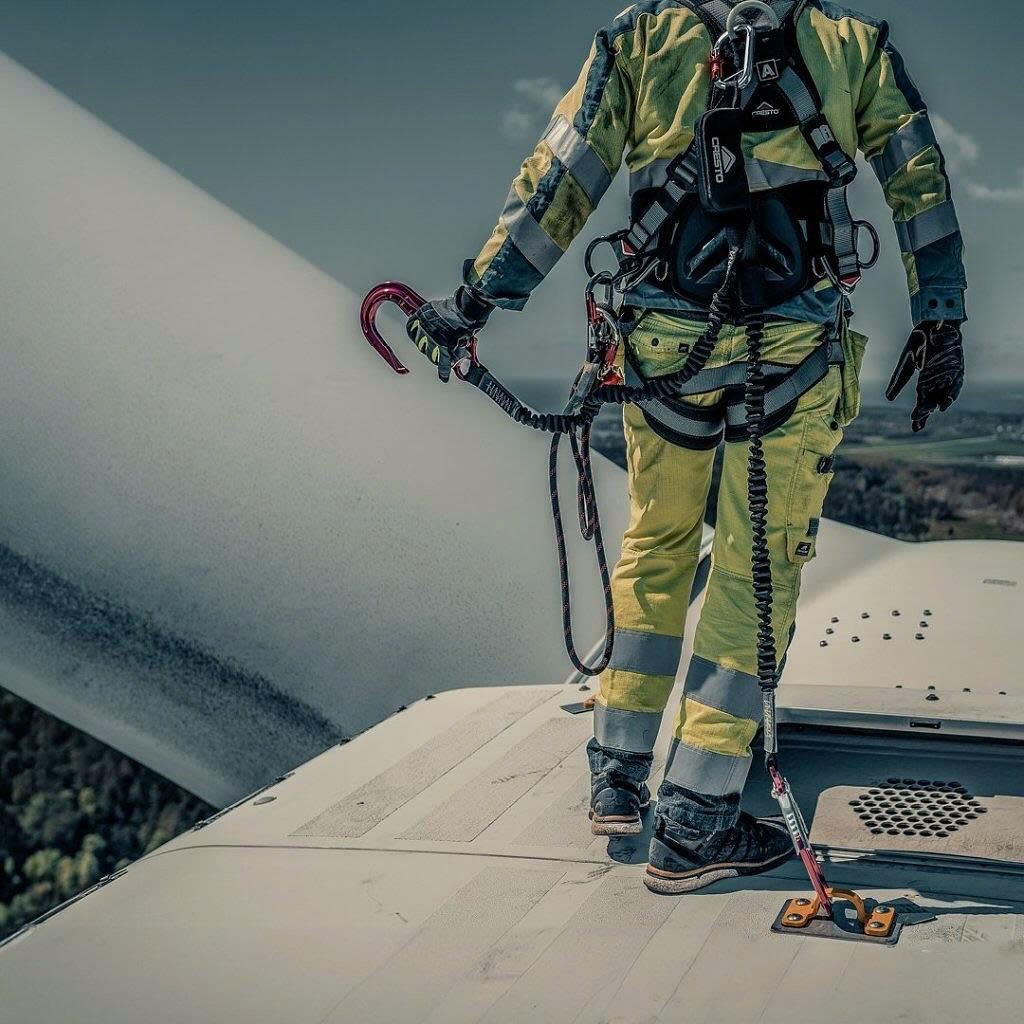
Helmet (mũ bảo hộ làm việc trên cao)
- Thiết kế ôm sát, chống rơi mũ khi di chuyển
- Bảo vệ đầu khỏi va đập và vật rơi
- Thường tích hợp quai cài và phụ kiện làm việc trên cao
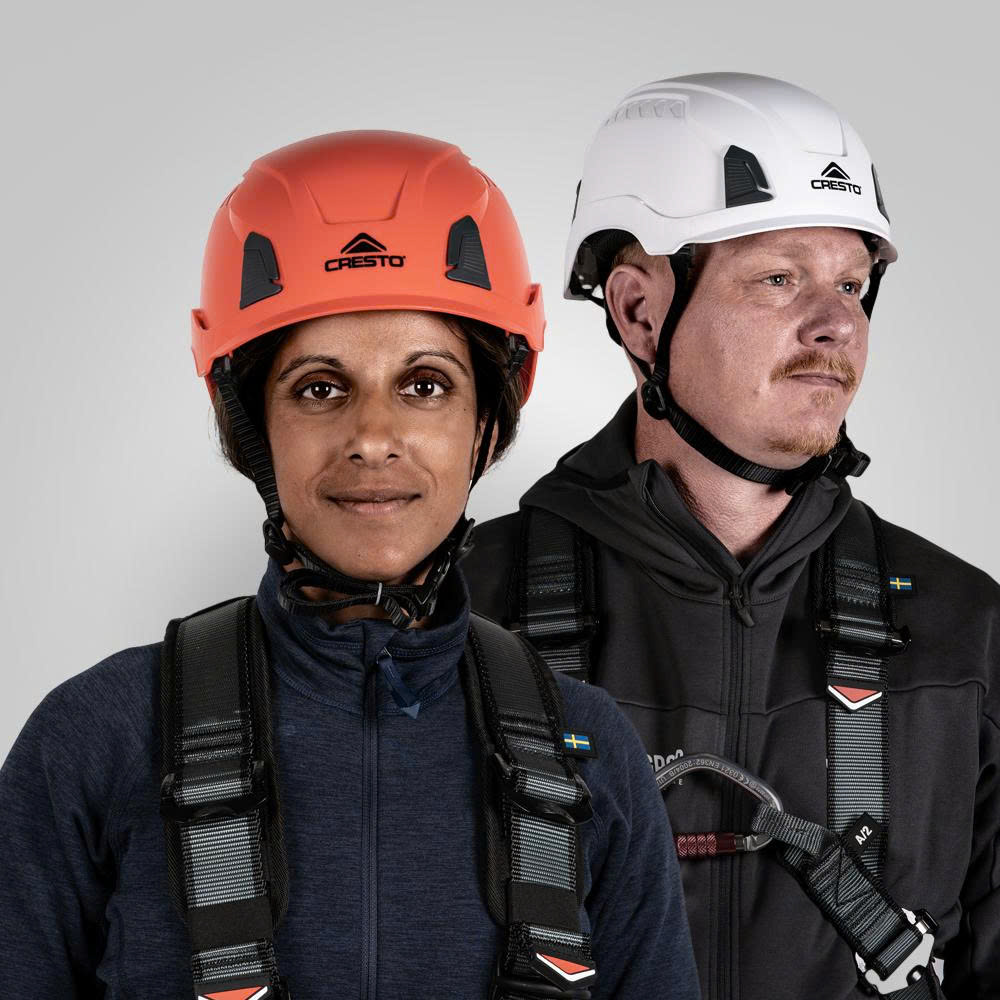
Rope (dây làm việc trên cao)
- Dùng cho rope access, cứu hộ và hệ chống rơi
- Bao gồm dây tĩnh, dây động và dây chuyên dụng công nghiệp

Carabiner (móc khóa kết nối)
- Thành phần kết nối giữa các thiết bị trong hệ chống rơi
- Có nhiều loại khóa: screw gate, auto lock, triple lock
- Đảm bảo độ bền và an toàn khi chịu tải
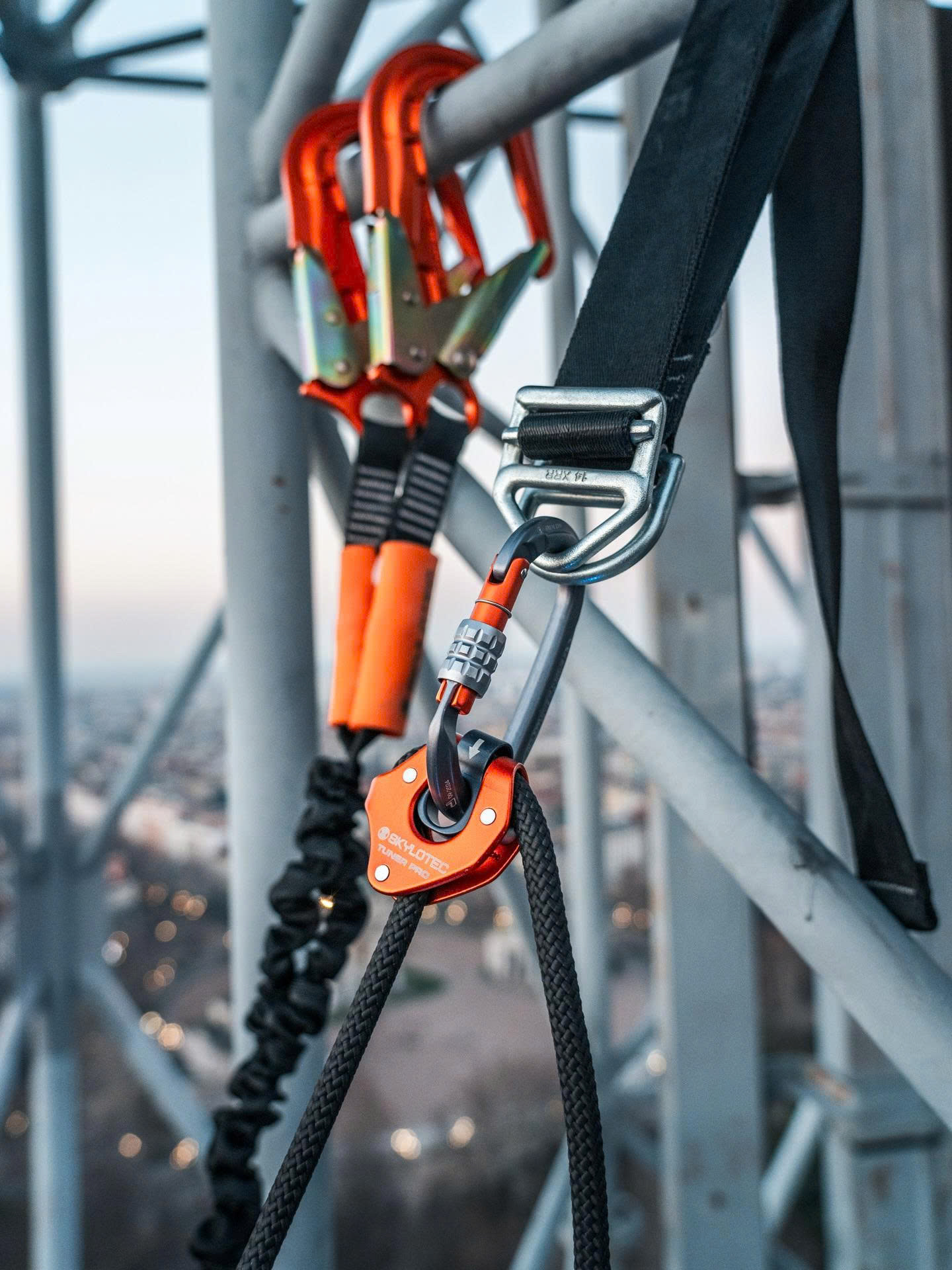
Khi các thiết bị này được kết hợp đúng cách, chúng tạo thành hệ thống PPE làm việc trên cao hoàn chỉnh, giúp kiểm soát rủi ro rơi ngã, tăng độ ổn định và đảm bảo an toàn cho người lao động trong mọi điều kiện làm việc.
Vai Trò Của PPE Trong An Toàn Lao Động
Thiết bị bảo vệ cá nhân (PPE) là một phần không thể thiếu trong hệ thống an toàn lao động hiện đại. PPE giúp kiểm soát rủi ro khi làm việc trong môi trường nguy hiểm, đồng thời hỗ trợ doanh nghiệp duy trì hoạt động ổn định và tuân thủ quy định an toàn.
Giảm tai nạn và chấn thương
- Bảo vệ người lao động khỏi rơi ngã, va đập, hóa chất và các tác nhân nguy hiểm
- Giảm mức độ nghiêm trọng khi xảy ra sự cố
- Tăng sự tự tin và khả năng thao tác an toàn khi làm việc
Tuân thủ quy định và tiêu chuẩn pháp lý
- Đáp ứng yêu cầu an toàn trong xây dựng, công nghiệp và làm việc trên cao
- Là yếu tố bắt buộc trong nhiều quy trình vận hành và kiểm định
- Giúp doanh nghiệp đáp ứng tiêu chuẩn quốc tế và yêu cầu của chủ đầu tư
Bảo vệ doanh nghiệp và hiệu suất vận hành
- Giảm chi phí phát sinh do tai nạn và gián đoạn công việc
- Nâng cao hình ảnh chuyên nghiệp và văn hóa an toàn
- Hỗ trợ xây dựng hệ thống quản lý an toàn bền vững
Việc trang bị PPE phù hợp không chỉ bảo vệ người lao động mà còn là nền tảng giúp doanh nghiệp vận hành an toàn, hiệu quả và phát triển lâu dài.
Tiêu Chuẩn PPE Quốc Tế
Thiết bị bảo vệ cá nhân cần đáp ứng các tiêu chuẩn kỹ thuật nhằm đảm bảo độ bền, khả năng bảo vệ và hiệu quả sử dụng trong môi trường thực tế. Việc lựa chọn PPE đạt chuẩn quốc tế giúp doanh nghiệp nâng cao mức độ an toàn, đáp ứng yêu cầu dự án và tăng độ tin cậy khi vận hành.
EN – Tiêu chuẩn châu Âu
- Áp dụng rộng rãi cho nhiều nhóm PPE như mũ bảo hộ, dây đai an toàn, găng tay và giày bảo hộ
- Quy định về thử nghiệm va đập, chịu tải và độ bền vật liệu
- Phổ biến trong các dự án quốc tế và thiết bị fall protection
ANSI – Tiêu chuẩn Mỹ
- Bộ tiêu chuẩn an toàn cho PPE trong công nghiệp và xây dựng
- Đưa ra yêu cầu chi tiết về thử nghiệm, hiệu suất và ghi nhãn sản phẩm
- Thường dùng trong dự án có tiêu chuẩn kỹ thuật cao
OSHA – Quy định an toàn lao động
- Hướng dẫn việc sử dụng PPE trong môi trường làm việc
- Quy định trách nhiệm doanh nghiệp trong đào tạo, trang bị và kiểm tra PPE
- Là nền tảng cho nhiều quy trình an toàn hiện đại do Occupational Safety and Health Administration ban hành
ISO – Hệ thống tiêu chuẩn quốc tế
- Thiết lập các yêu cầu về quản lý chất lượng, an toàn và thử nghiệm sản phẩm
- Hỗ trợ đảm bảo tính đồng nhất và độ tin cậy của PPE trên toàn cầu
- Được phát triển bởi International Organization for Standardization
TCVN – Tiêu chuẩn Việt Nam
- Quy định kỹ thuật và yêu cầu sử dụng PPE trong môi trường lao động trong nước
- Là cơ sở pháp lý để doanh nghiệp tuân thủ khi thi công và vận hành
- Thường tham chiếu EN hoặc ANSI trong các dự án lớn
Ưu tiên PPE đạt nhiều tiêu chuẩn cùng lúc sẽ giúp tăng mức độ an toàn, khả năng tương thích dự án và độ tin cậy khi sử dụng trong môi trường chuyên nghiệp.
Cách Chọn Thiết Bị Bảo Vệ Cá Nhân Phù Hợp
Việc lựa chọn thiết bị bảo vệ cá nhân (PPE) cần dựa trên đặc thù công việc và mức độ rủi ro thực tế. Trang bị đúng PPE không chỉ giúp bảo vệ người lao động mà còn tối ưu hiệu suất làm việc và đảm bảo tuân thủ tiêu chuẩn an toàn.
Theo ngành nghề
- Xây dựng → mũ bảo hộ, dây đai an toàn, giày bảo hộ
- Công nghiệp sản xuất → găng tay, kính bảo hộ, bảo vệ hô hấp
- Điện lực → PPE cách điện và thiết bị định vị trên cao
- Rope access & cứu hộ → harness chuyên dụng và hệ chống rơi
Theo mức độ rủi ro
- Nguy cơ va đập → ưu tiên bảo vệ đầu và mắt
- Nguy cơ hóa chất → cần bảo vệ hô hấp, da và mắt
- Nguy cơ rơi ngã → bắt buộc fall protection PPE
- Môi trường tiếng ồn cao → cần thiết bị bảo vệ thính giác
Theo tiêu chuẩn kỹ thuật
- Dự án quốc tế → PPE đạt EN, ANSI hoặc ISO
- Công trình trong nước → đáp ứng TCVN
- Nên chọn thiết bị có chứng nhận rõ ràng và nguồn gốc minh bạch
Theo môi trường làm việc
- Ngoài trời → PPE chống thời tiết và tia UV
- Nhà máy → PPE chống bụi, dầu mỡ và nhiệt
- Không gian hạn chế → PPE hỗ trợ cứu hộ và giám sát an toàn
- Làm việc trên cao → hệ PPE chống rơi hoàn chỉnh
Chọn PPE theo ngành, rủi ro, tiêu chuẩn và môi trường giúp xây dựng hệ thống bảo vệ cá nhân toàn diện, giảm tai nạn và nâng cao hiệu quả vận hành.
PPE Theo Từng Ngành Nghề
Mỗi ngành nghề có đặc thù rủi ro khác nhau, vì vậy hệ thống thiết bị bảo vệ cá nhân (PPE) cần được lựa chọn phù hợp để đảm bảo an toàn và hiệu quả làm việc. Việc xây dựng PPE theo ngành giúp doanh nghiệp kiểm soát nguy cơ tốt hơn và tuân thủ tiêu chuẩn an toàn trong thực tế.
Xây dựng
- Mũ bảo hộ chống va đập và vật rơi
- Dây đai an toàn và hệ chống rơi khi làm việc trên cao
- Giày bảo hộ chống trượt, chống đinh
- Găng tay và kính bảo hộ cho thi công cơ khí
Công nghiệp
- Bảo vệ hô hấp trong môi trường bụi hoặc hóa chất
- Găng tay chống cắt, chịu nhiệt hoặc chống dầu
- Kính bảo hộ và tấm che mặt khi vận hành máy móc
- Giày bảo hộ cho môi trường sản xuất nặng
Điện lực
- PPE cách điện và chống hồ quang
- Dây đai định vị và dây đai toàn thân khi leo trụ
- Mũ bảo hộ chuyên dụng và găng tay cách điện
- Thiết bị chống rơi cho bảo trì trên cao
Rope access
- Harness chuyên dụng nhiều điểm móc
- Rope, carabiner và thiết bị lên xuống dây
- Mũ bảo hộ làm việc trên cao
- PPE hỗ trợ treo người làm việc lâu dài
Rescue & cứu hộ
- Harness rescue chịu tải cao
- Hệ nâng hạ và thiết bị kiểm soát di chuyển nạn nhân
- PPE cho không gian hạn chế
- Thiết bị bảo vệ toàn thân trong môi trường khẩn cấp
Kết luận
Thiết bị bảo vệ cá nhân (PPE) là nền tảng quan trọng trong mọi hệ thống an toàn lao động, giúp giảm thiểu rủi ro, bảo vệ sức khỏe người lao động và đảm bảo doanh nghiệp tuân thủ tiêu chuẩn kỹ thuật. Việc hiểu rõ PPE là gì, các nhóm thiết bị, tiêu chuẩn và cách lựa chọn phù hợp theo từng ngành nghề sẽ giúp xây dựng môi trường làm việc an toàn, chuyên nghiệp và bền vững.
Từ các công việc xây dựng, công nghiệp đến làm việc trên cao và cứu hộ, PPE không còn là trang bị tùy chọn mà là yêu cầu bắt buộc để kiểm soát rủi ro hiệu quả. Với kinh nghiệm trong lĩnh vực thiết bị an toàn và fall protection, FPR Supply chuyên cung cấp giải pháp PPE làm việc trên cao đạt chuẩn quốc tế, hỗ trợ doanh nghiệp triển khai hệ thống bảo vệ cá nhân toàn diện và tối ưu hiệu suất vận hành.
