


ABCD’s of fall protection
What Is ABCD Fall Protection?
Working at height always carries serious risks such as slipping, losing balance, or falling. Therefore, implementing a proper fall protection system is essential to ensure worker safety in industries like construction, industrial maintenance, and electrical work.
In occupational safety, the ABCD Fall Protection principle is used to build a complete and effective fall protection system. ABCD represents four key components: Anchor, Body Support, Connector, and Descent/Rescue.
A – Anchor (Secure Anchor Point)
What Is an Anchor?
An anchor is a fixed point used to attach and support the entire fall protection system when working at height. It is the first and most critical component in the ABCD principle, as all equipment—such as safety harnesses, lanyards, and lifelines—is connected to it.
A safe anchor must be securely installed on strong structures like steel beams, concrete surfaces, or load-bearing frameworks, and must be capable of تحمل high forces in the event of a fall.
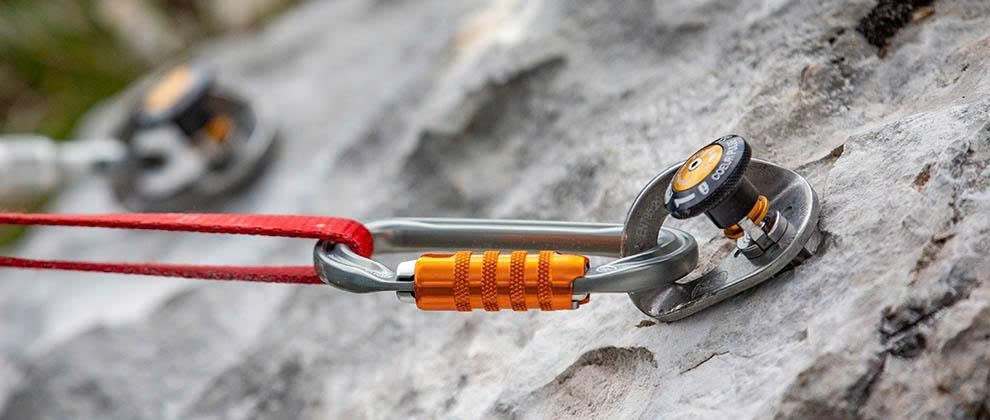
Common Types of Anchors
In practice, there are various types of anchors depending on the work environment:
- Permanent anchors: Installed permanently on structures or buildings
- Temporary anchors: Flexible and removable for construction or maintenance work
- Horizontal lifeline systems: Allow workers to move horizontally while remaining protected
Technical Requirements
To ensure effectiveness, anchor points must meet strict requirements:
- High load-bearing capacity
- Proper positioning to minimize free fall distance
- Regular inspection and certification to ensure safety before use
B – Body Support (Personal Protective Equipment)
What Is Body Support?
Body support refers to personal protective equipment worn directly on the body—commonly known as a safety harness. It connects the worker to the fall protection system and protects the body during a fall by distributing impact forces.
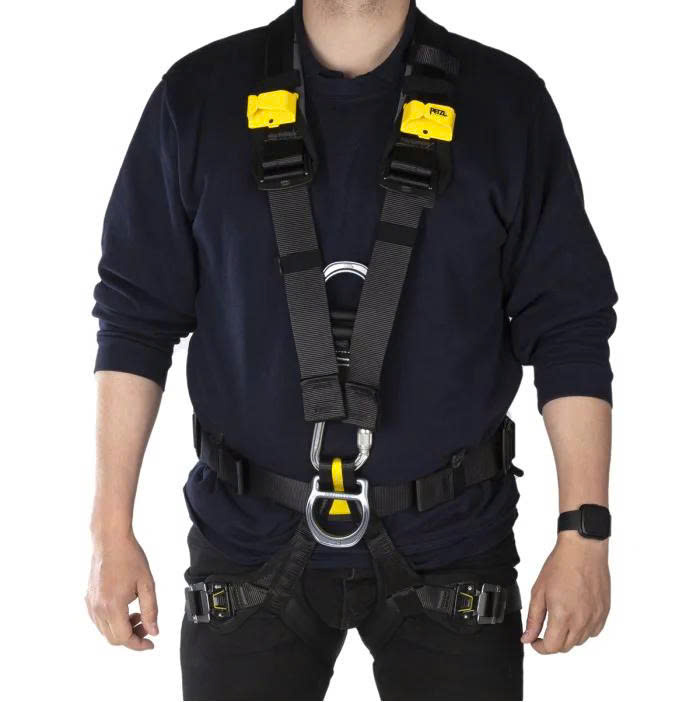
Common Types of Harnesses
- Full Body Harness: Covers shoulders, chest, and legs for full protection
- Positioning Harness: Helps maintain a stable working position
Why Use a Full Body Harness?
Modern fall protection systems strongly recommend full body harnesses because they:
- Distribute impact forces across multiple body points
- Reduce the risk of serious injury
- Keep the worker in a safe upright position while awaiting rescue
C – Connector (Connecting Devices)
What Is a Connector?
A connector links the body support (harness) to the anchor point. It plays a crucial role in transmitting forces and keeping the worker securely attached to the system during work at height.
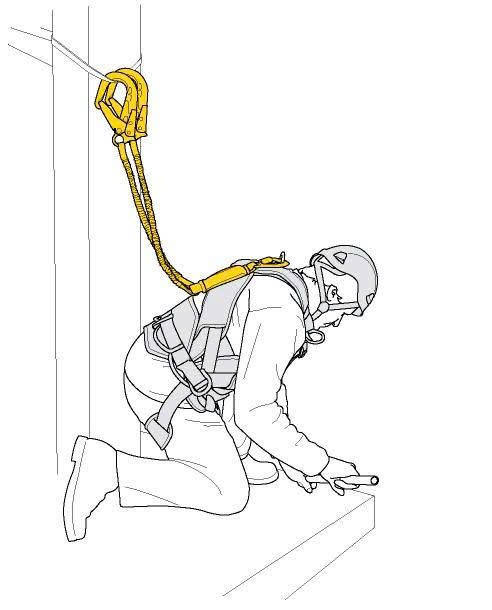
Common Types of Connectors
- Shock Absorbing Lanyard: Reduces impact force during a fall
- Self-Retracting Lifeline (SRL): Extends and retracts automatically, locking during a fall
- Carabiner: Safety connector used to link system components
How to Choose the Right Connector
Choosing the right connector depends on:
- Working height and fall clearance
- Work environment (construction site, factory, chemical exposure)
- Compliance with international safety standards
D – Descent & Rescue (Lowering and Rescue Equipment)
Why Is Rescue Important?
Stopping a fall is only part of the safety solution. After a fall, the worker must be rescued quickly to prevent serious health risks caused by prolonged suspension.
Common Rescue Equipment
- Rescue descender devices: Allow controlled lowering to the ground
- Rescue kits: Include essential tools for emergency evacuation
Why Rescue Time Matters
If a worker remains suspended in a harness for too long, they may suffer from suspension trauma, which can severely affect blood circulation and overall health. Therefore, every fall protection system must include a clear and effective rescue plan.
Common Mistakes in Fall Protection Systems
Many organizations still make critical errors when setting up fall protection systems, reducing their effectiveness:
- Weak or improperly installed anchors
- Using the wrong type of harness (e.g., not using a full body harness for fall arrest)
- Lack of a rescue plan
- Inappropriate connectors that do not meet safety standards
These mistakes can significantly increase the risk of accidents when working at height.
Conclusion
The ABCD Fall Protection principle provides a comprehensive approach to building an effective fall protection system. It includes four essential components: Anchor, Body Support, Connector, and Descent & Rescue.
When these elements are properly selected and combined, they create a reliable safety system that protects workers from fall hazards.
Investing in a complete fall protection system not only reduces workplace accidents but also ensures a safer and more professional working environment. Businesses should always choose certified equipment, ensure proper installation, and train workers in correct usage to maximize safety when working at height.