


Chưa phân loại
What Is a Carabiner? Its Role and How to Choose One
Apr
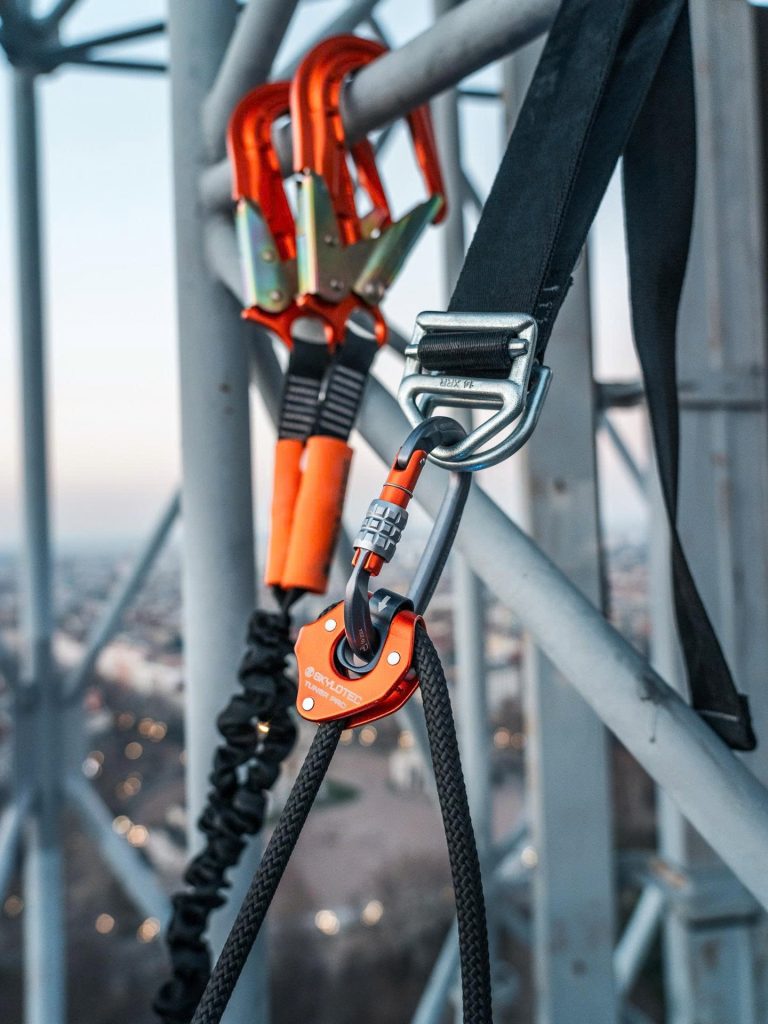
In high-altitude work systems or climbing activities, there is a small piece of equipment that plays an extremely important role: the carabiner. More than just a simple connector, a carabiner acts as a ‘safety link’ that connects a person to the entire protective system. However, many people still do not fully understand what a carabiner is, the different types available, or how to use it properly to ensure maximum safety. In this article, FPR Supply will guide you through everything you need to know about carabiners—from their structure and classification to how to choose the right one for real-world applications
A carabiner (also known as a carabiner clip or hook) is a metal device shaped like a loop, designed with a quick open/close mechanism using a spring-loaded gate or a locking system. It is one of the key components in connection systems, allowing secure and flexible linking of equipment such as ropes, safety harnesses, and anchor points.
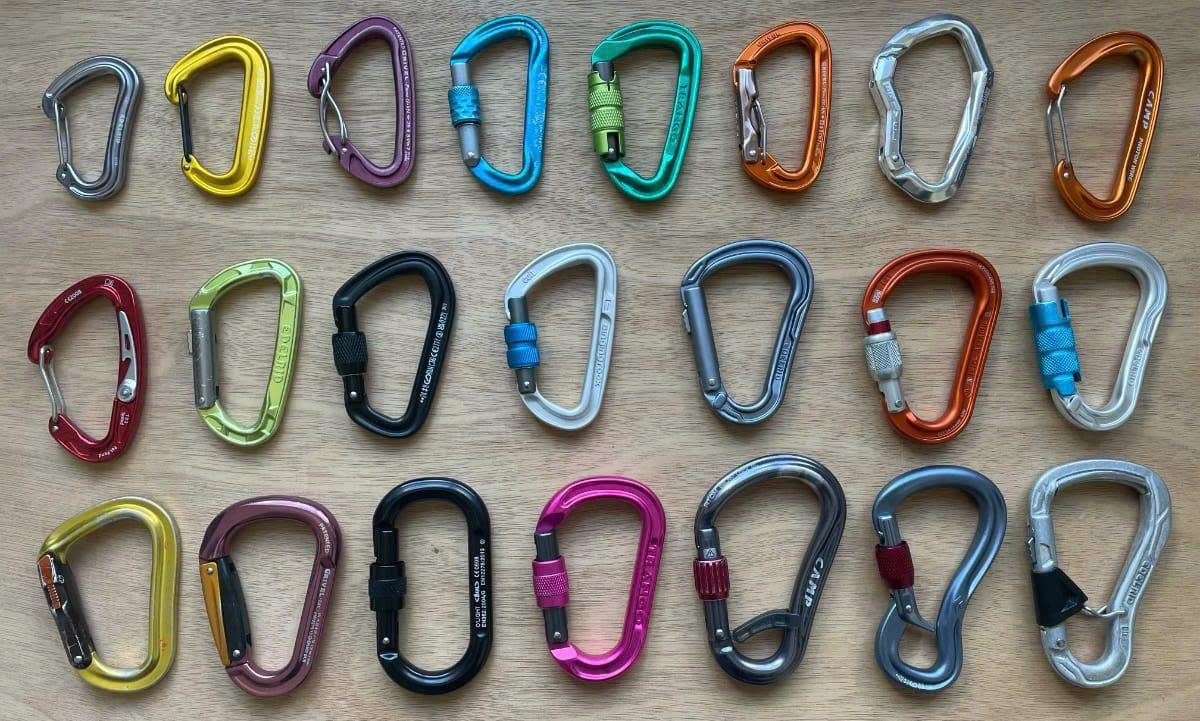
The Importance of Carabiners in Working at Height
Carabiners serve as the direct connection point between workers and the safety system, making them critically important. This device enables quick and secure linking between safety harnesses, lifelines, and anchor points during work at height.
In addition, carabiners bear significant loads in the event of incidents such as slips or falls. Using the wrong type or low-quality products can lead to serious risks, including gate failure, breakage, or accidental unclipping.
Although small in size, a carabiner is truly a “lifeline link,” directly impacting the safety and lives of its users.
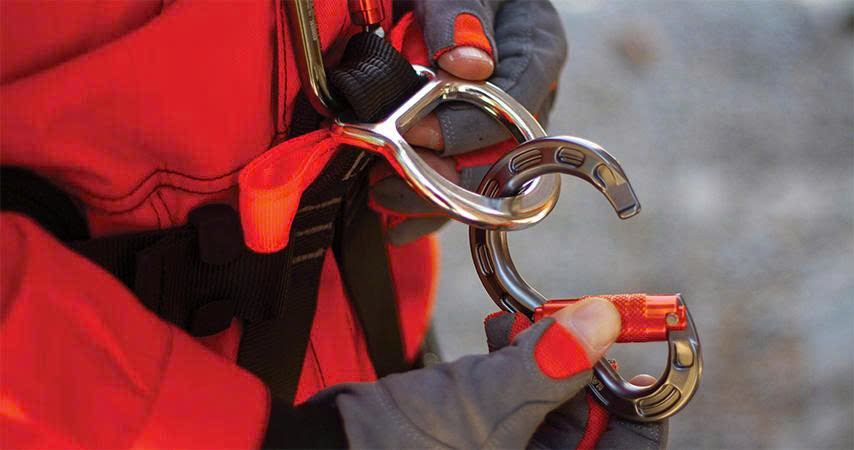
Common Types of Carabiners Today
Carabiners by Shape
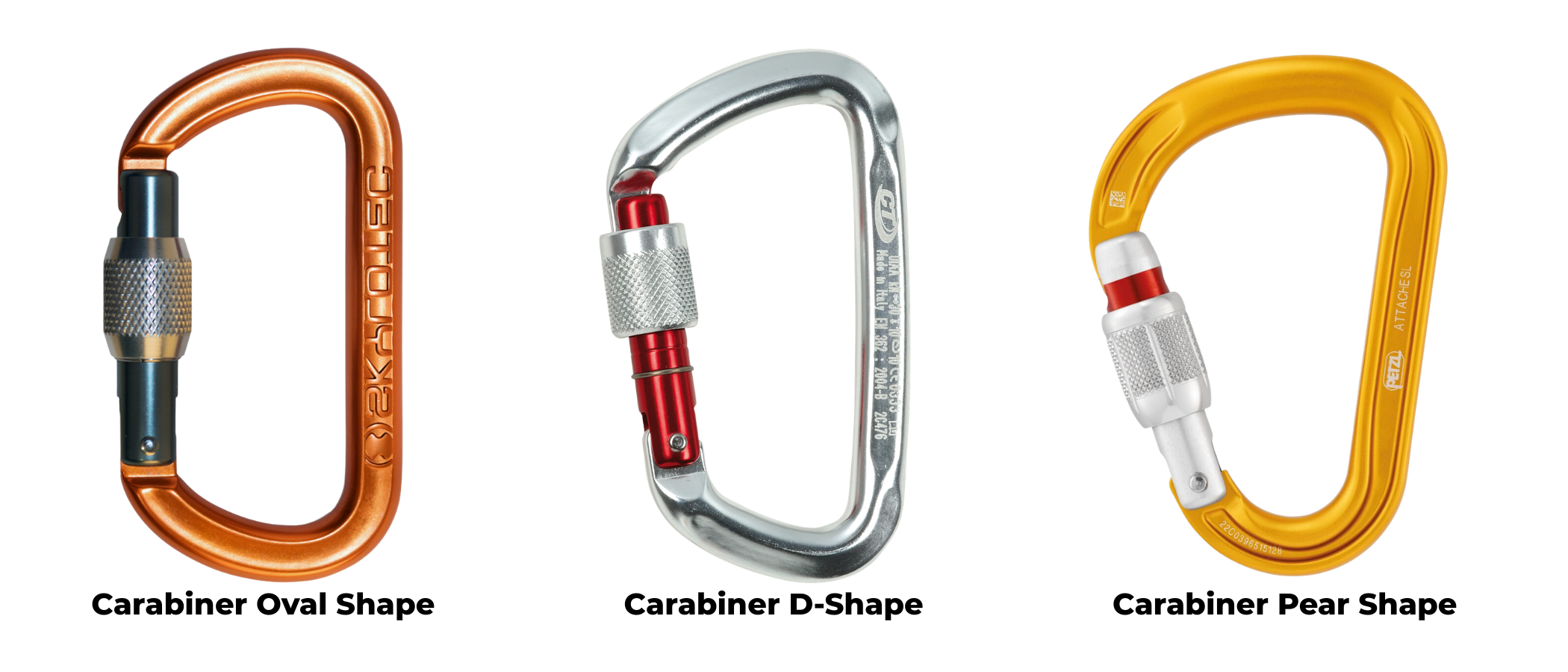
- Oval-shaped carabiners: Designed symmetrically to distribute load evenly. They are ideal for pulley systems or devices that require balanced positioning.
- D-shaped carabiners: The D shape shifts the load toward the spine, increasing strength and load capacity. This is the most commonly used type for working at height.
- HMS (pear-shaped) carabiners: Featuring a wider, pear-shaped design, they provide more space for knots and easier handling. They are commonly used in climbing and rescue operations.
Carabiners by Material
- Aluminum: Lightweight and easy to carry, making it ideal for tasks that require frequent movement. However, it has lower wear resistance compared to steel.
- Steel: Heavier but extremely durable and strong, with excellent load-bearing capacity. It is well-suited for industrial environments, long-term use, or heavy loads.
Comparing Different Types of Carabiners
Choosing the right carabiner is not just about price or brand—it’s more importantly about matching the intended use. Here are some key comparisons to consider:
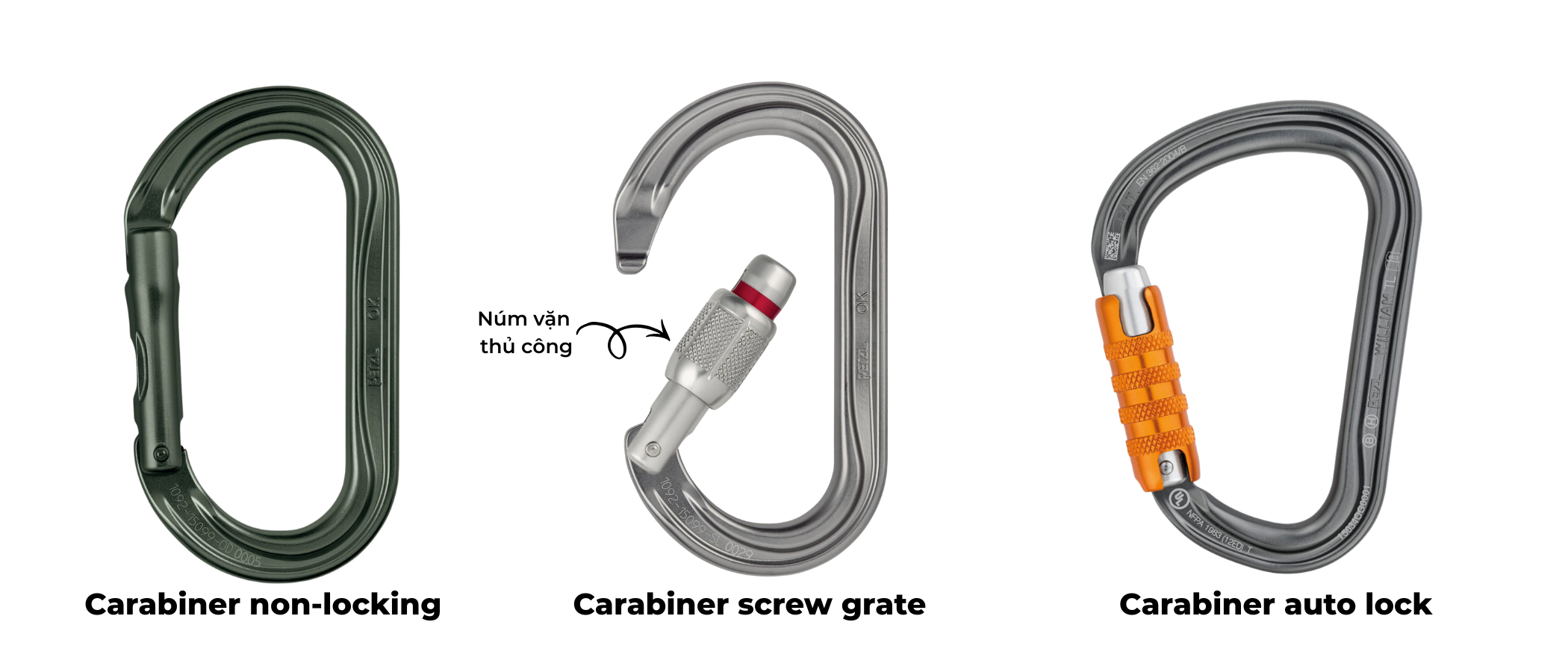
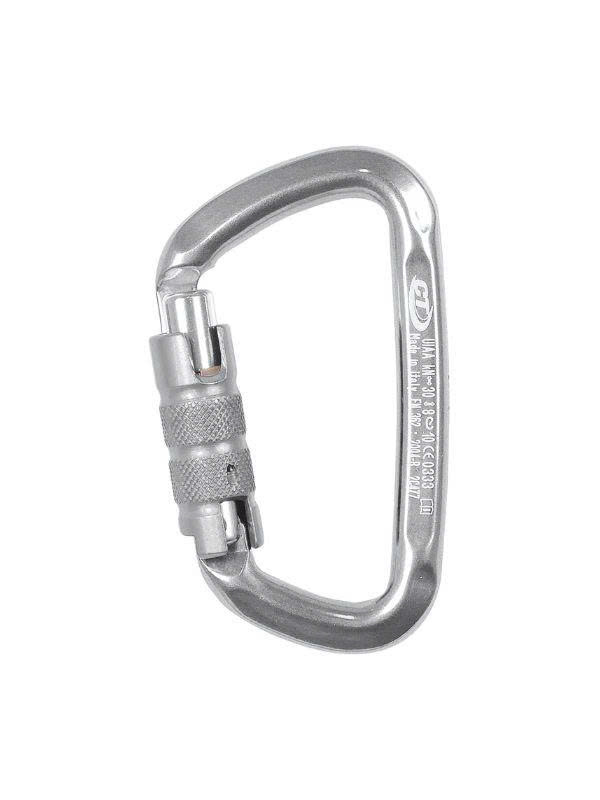
- Locking vs. Non-locking: Non-locking carabiners allow for quick handling but carry a higher risk of accidental opening. In contrast, locking carabiners (such as screw gate or auto-lock) provide greater safety, especially in high-risk or load-bearing situations.
- Aluminum vs. Steel: Aluminum carabiners are lightweight and flexible, making them suitable for applications that involve frequent movement. Steel carabiners, while heavier, offer superior durability, strength, and resistance to wear, making them ideal for industrial use.
- Climbing vs. Industrial use: Carabiners used in climbing typically prioritize lightweight design and flexibility. On the other hand, industrial and work-at-height applications demand higher durability, greater load capacity, and stricter safety standards.
Where to Buy Reliable Carabiners
Carabiners are widely available on the market today, but not all products meet quality and safety standards. Especially for work at height, choosing a trusted supplier is a critical factor.
At FPR Supply, you can feel confident when selecting carabiners thanks to the following advantages:
- Certified products: All carabiners come with clear specifications and meet safety standards such as EN, ensuring strength and durability.
- Specialized in work-at-height equipment: FPR focuses on safety solutions, not only providing products but also understanding real-world applications.
- Expert consultation: Their team helps you choose the right type of carabiner for your specific needs, avoiding incorrect purchases that could lead to risks or unnecessary costs.
Conclusion
Although small, carabiners play an extremely important role in the overall safety system, especially in work-at-height applications. Understanding their types, functions, and how to choose the right one will help you improve work efficiency and minimize risks.
Instead of choosing based on price or guesswork, prioritize certified products that match your working environment and feature reliable locking mechanisms. In many cases, even a small mistake can lead to serious consequences.
