


Chưa phân loại
What Is a Safety Harness? Types & How to Use It
Apr
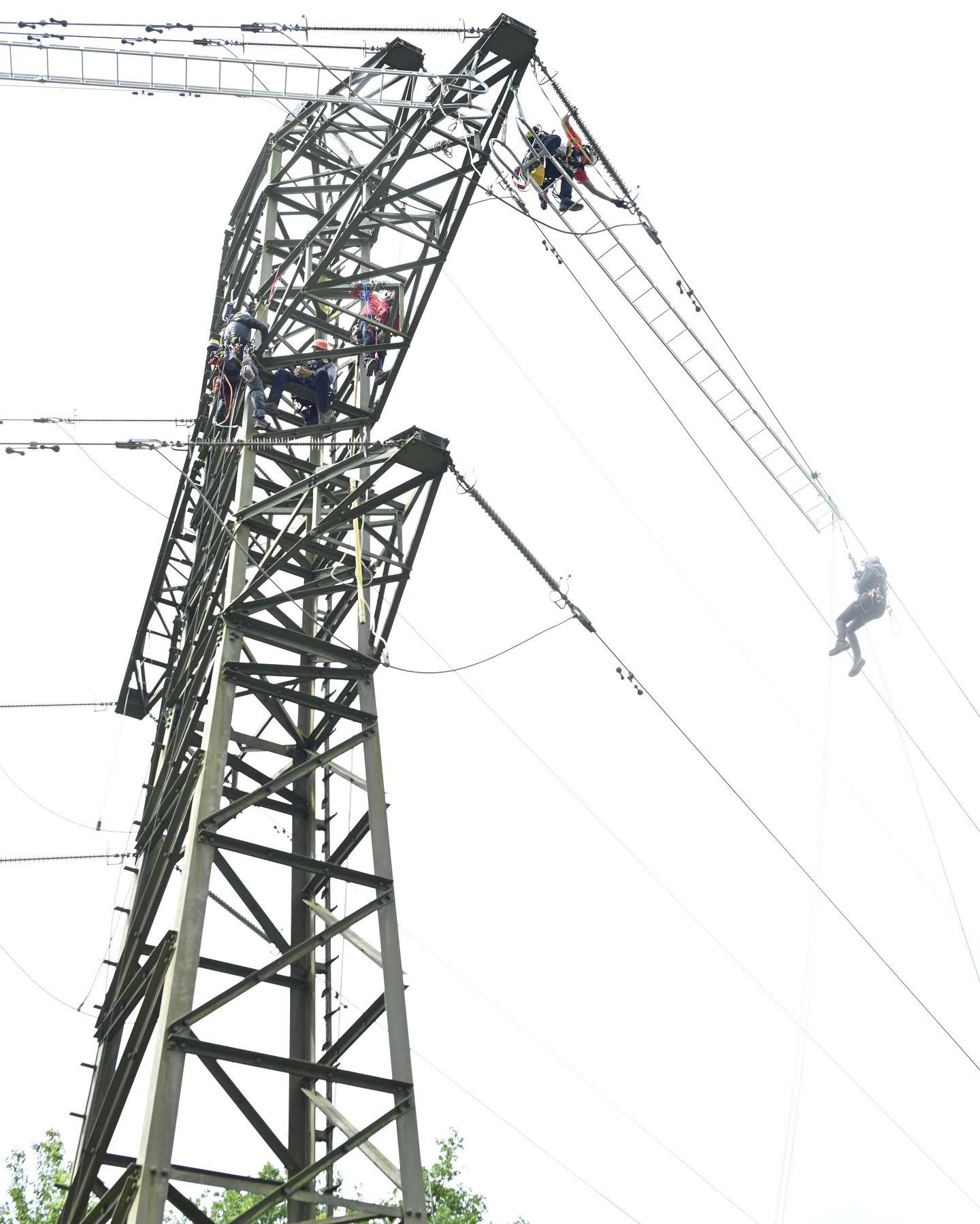
Working at heights always involves serious fall risks and is one of the leading causes of workplace accidents. Even a small mistake can directly impact a worker’s health and safety. In a Fall Arrest System, the safety harness is considered the most important piece of equipment, playing a crucial role in securing the body, reducing fall impact, and ensuring safety in case of an incident. It is also a core component of personal protective equipment (PPE) for working at heights, helping to complete an effective fall protection system.
What Is a Safety Harness?
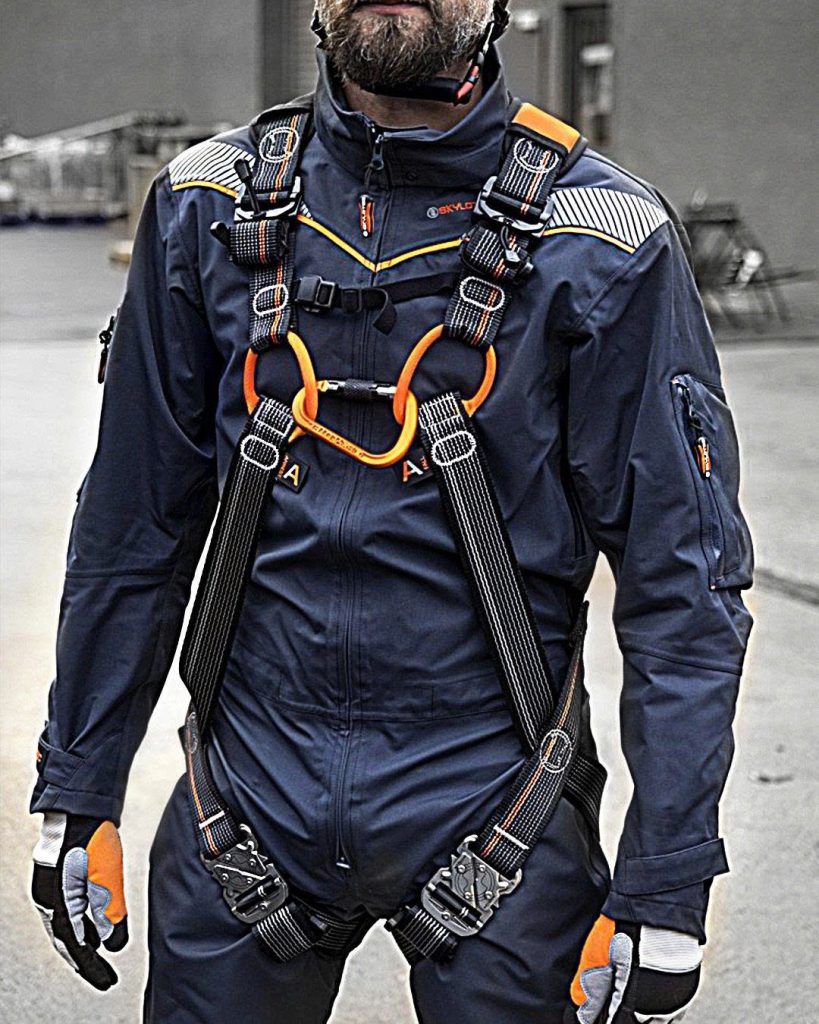
A safety harness is a type of personal protective equipment (PPE) designed to secure a worker’s body, prevent falls, and reduce impact forces when working at heights.
In practice, a safety harness plays a critical role in a fall protection system:
- Secures the body during a fall: Prevents workers from free-falling in case of an incident
- Distributes force: Reduces the impact on the body, minimizing the risk of serious injuries
- Connects the fall protection system: Links with lanyards, anchor points, and other equipment to form a complete safety system
It is an essential piece of equipment that cannot be omitted in any job involving work at heights.
Structure of a Safety Harness
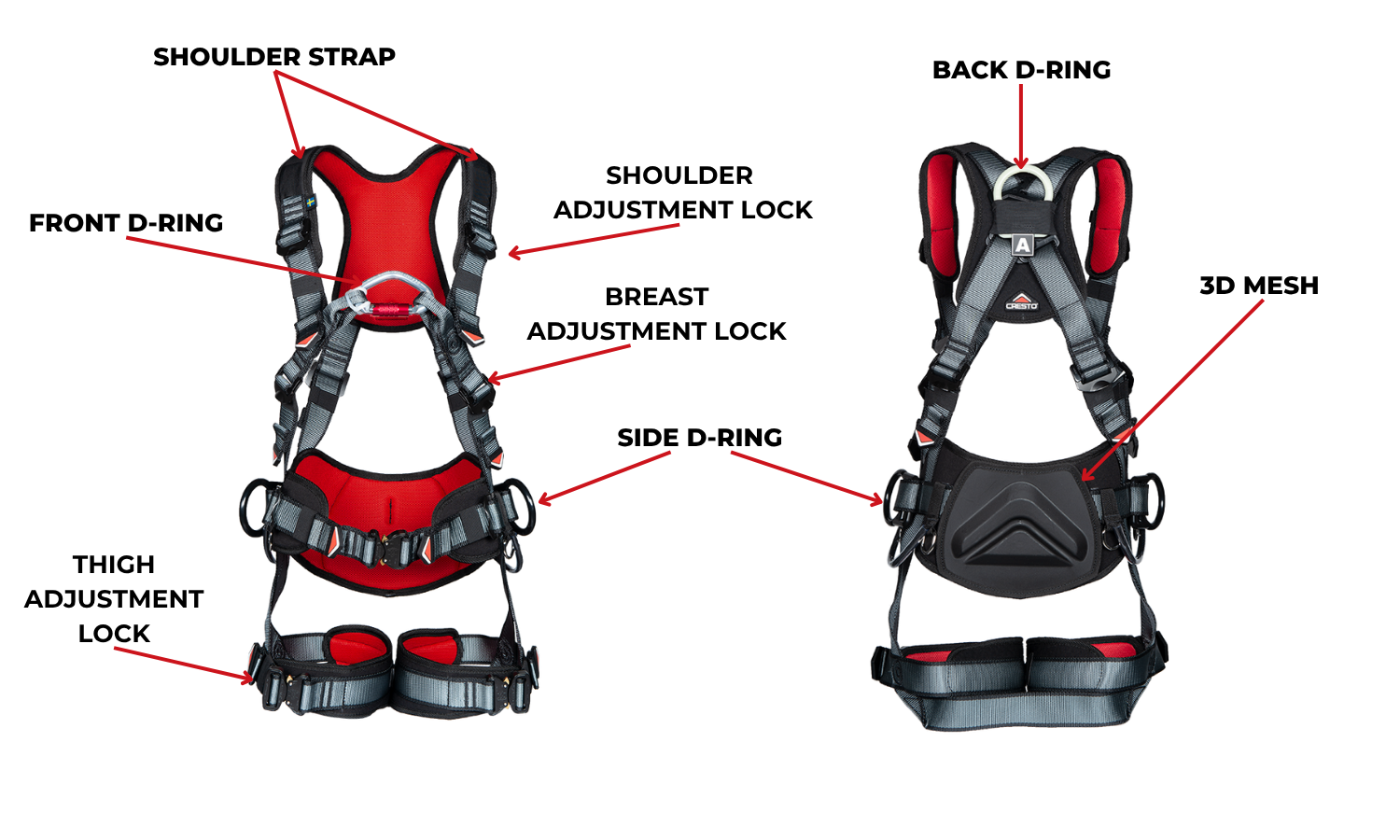
A safety harness is designed with multiple interconnected components, forming a complete protection system that helps workers operate safely at heights. Understanding its structure will help you use it correctly and choose the right product for your needs.
- Main Straps: These are the straps that wrap around the body (shoulders, chest, thighs), responsible for securing the worker in case of an incident. They are typically made from high-strength materials such as polyester or nylon.
- Hook (Connector): The hook is used to connect the harness to other equipment such as lanyards or anchor points. This component must be strong and capable of withstanding high loads.
- Attachment Point (D-ring): The D-ring is a metal ring (usually located on the back or chest) that serves as the primary load-bearing point during a fall. This is a critical component that determines the effectiveness of the harness.
- Lanyard (Fall Protection Line): The lanyard connects the harness to the anchor point and helps reduce impact forces in the event of a fall. Some types also include a shock absorber to enhance protection.
Types of Safety Harnesses
Safety harnesses are divided into several types, but the most common are full body harnesses and half body harnesses. Each type is designed for specific purposes and different levels of risk.
Full Body Harness
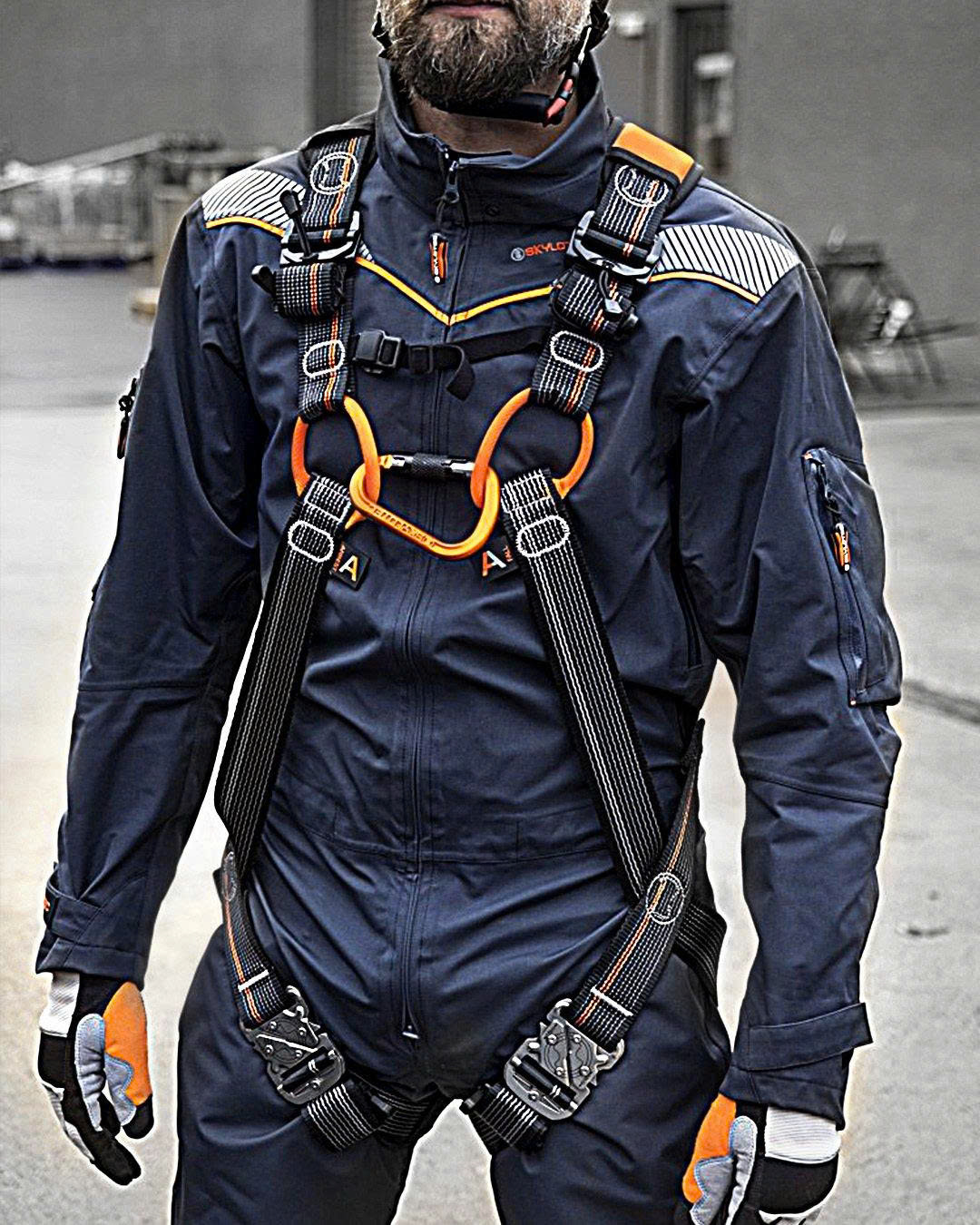
A full body harness includes support points at the shoulders, chest, and thighs, helping to distribute force evenly across the body in the event of a fall. This design provides the highest level of safety and is commonly used in jobs with a high risk of falling.
Applications: Construction, installation at height, structural maintenance, electrical work, and more.
Half Body Harness
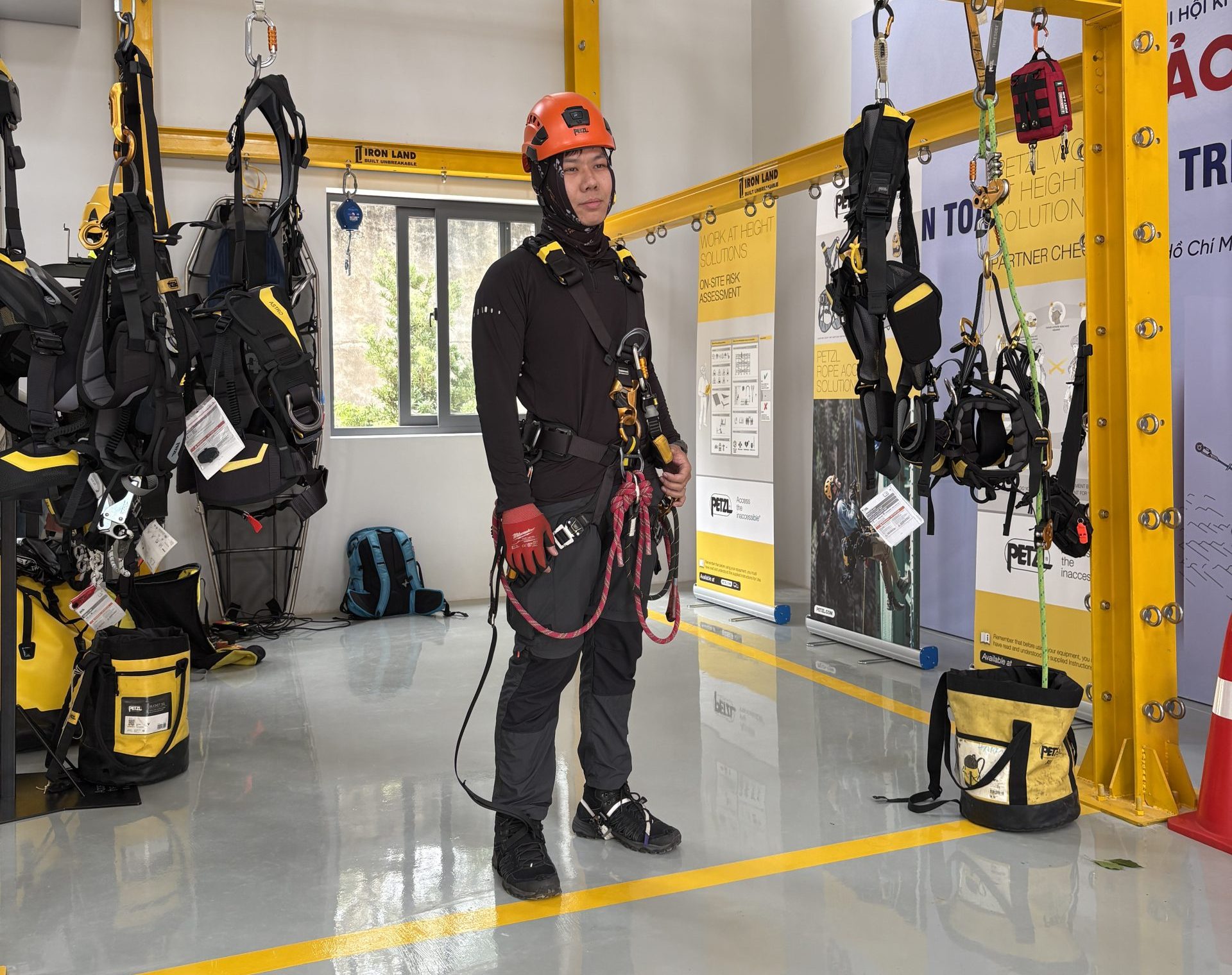
A half body harness typically wraps around the waist and hips, featuring a simpler design and offering less effective force distribution compared to a full body harness. This type is suitable for tasks that do not require strict fall protection.
Applications: Positioning work, light climbing, and tasks that do not involve working at dangerous heights.

When to Use a Full Body Harness vs. a Half Body Harness
- Full Body Harness: Should be used when working at heights where there is a risk of falling. This is a mandatory choice under most safety standards.
- Half Body Harness: Should only be used for support tasks that do not require fall protection, or when there is an additional safety system already in place.
Choosing the right type of harness not only ensures safety but also helps businesses optimize costs and improve work efficiency.
The Role of Safety Harnesses in Working at Heights
In work-at-height tasks, safety harnesses are considered the core component of a fall protection system, ensuring worker safety in all situations. They are an essential part of PPE for working at heights, helping to minimize risks and protect lives in case of accidents.
- Prevents free falls: Keeps the worker securely in place if they lose balance or slip
- Reduces impact force: Works together with lanyards and shock absorbers to absorb impact and minimize serious injuries
- Protects lives: Acts as the last line of defense, significantly reducing the risk of fatal accidents when working at heights
To better understand the overall protection system, you can also refer to articles about PPE for working at heights to ensure you select the right and complete set of equipment.
Safety Harness Standards You Should Know
To ensure maximum protection, safety harnesses must meet strict technical standards in occupational safety. Choosing products that comply with recognized safety standards not only helps minimize risks but also ensures legal compliance and reliability when working at heights.
Some common safety harness standards you should know:
- EN 361 (Europe): Specifies requirements for full body harnesses, including design, load-bearing capacity, and performance during a fall
- ANSI Z359 (USA): A set of standards for fall protection systems, including safety harnesses, focusing on real-world performance and protection
- OSHA (Occupational Safety Regulations): Provides mandatory requirements for using safety harnesses when working at heights to reduce accidents and protect workers
Prioritizing certified products not only enhances safety but also demonstrates professionalism and responsibility in workplace safety management.
How to Choose the Right Safety Harness
Choosing the right safety harness not only ensures effective protection but also helps workers feel more comfortable and confident when working at heights. Different environments and job types require different harnesses, so it’s important to consider carefully before making a decision.
When selecting a safety harness, consider the following:
- Based on the job: Clearly identify the working environment (construction, electrical work, maintenance, etc.) to choose the appropriate type—prioritize full body harnesses for work at heights
- Load capacity: Ensure the harness can handle the user’s weight and working conditions
- Standards: Choose products that meet certifications such as EN or ANSI to ensure quality and safety
- Brand: Prioritize reputable brands to ensure durability, performance, and clear warranty policies
To ensure maximum safety and long-term use, you should purchase safety harnesses from trusted suppliers that provide certified products and expert consultation tailored to your specific needs.
How to Use a Safety Harness Correctly
To ensure maximum safety when working at heights, workers must follow the proper procedures for using a safety harness. Correct usage not only maximizes protection but also minimizes risks during work.
Safety harness usage process:
- Inspection: Before use, check the entire harness, buckles, D-rings, and lanyard to ensure there are no signs of damage, wear, or cracks.
- Wear properly: Put on the harness according to instructions and adjust the straps so they fit snugly to the body while remaining comfortable—not too loose or too tight.
- Connect to an anchor point: Attach the lanyard to a secure anchor point that meets load-bearing standards and is properly installed.
- Test before use: Recheck the entire system and apply a light load to ensure all connections are secure before starting work.
Following these steps will help ensure safety and improve efficiency when working at heights.
Common Mistakes When Using Safety Harnesses
Although safety harnesses are essential protective equipment, improper use can reduce their effectiveness and even put workers at risk. In reality, many accidents are caused by basic mistakes that are often overlooked.
- Incorrect wearing: Loose fitting, improper positioning, or failure to secure the harness properly can prevent it from holding the body during an incident
- No anchor connection: Not attaching to an anchor point or connecting to an unsafe point can render the entire fall protection system ineffective
- Using low-quality equipment: Non-certified products are more likely to be damaged or break under load, posing serious safety risks
Recognizing and avoiding these mistakes will improve the effectiveness of safety harness use and help protect workers’ lives in all work-at-height situations.
Conclusion
In summary, a safety harness is not just a standard protective device—it is a life-saving piece of equipment for working at heights, directly protecting workers’ lives. Choosing the right type, ensuring it meets safety standards, and using it correctly will significantly reduce risks and ensure safety in all situations.
If you are looking for high-quality, certified safety harnesses that match your actual needs, explore available products or contact FPR SUPPLY technicians for expert advice and optimal safety solutions for your business.
