


Chưa phân loại
List of Essential Rope Access Equipment for Working at Height
Jun
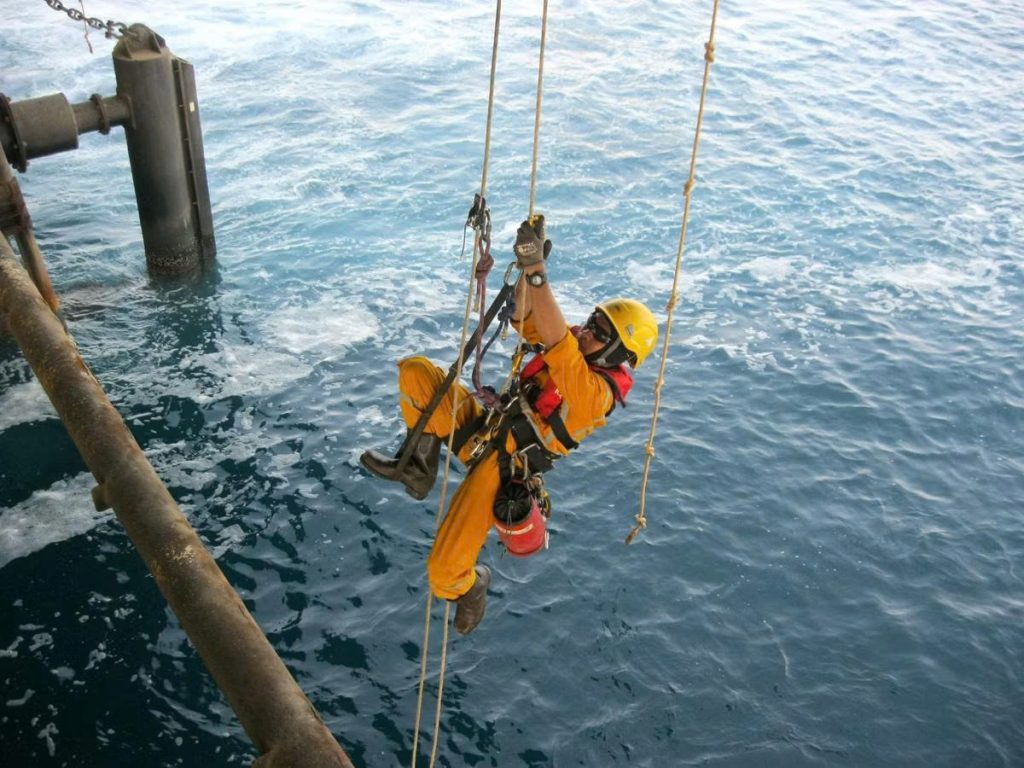
Rope access is a method of working at height that uses rope systems and specialized equipment to access, position, and perform tasks in elevated and hard-to-reach locations where scaffolding may not be practical. In addition to the skills and expertise of rope access technicians, the quality and reliability of the equipment used within the system play a critical role in ensuring safety. Missing components or the improper use of equipment can significantly increase risks and directly affect worker safety during height-related operations.
For this reason, international organizations such as IRATA, along with various safety standards and regulations, require workers to be equipped with appropriate gear that matches the specific demands of the job. In this article, FPR Supply introduces the essential rope access equipment that technicians must have to build a safe, efficient, and compliant rope access system that meets current industry requirements and technical standards.
What Is Rope Access Equipment?
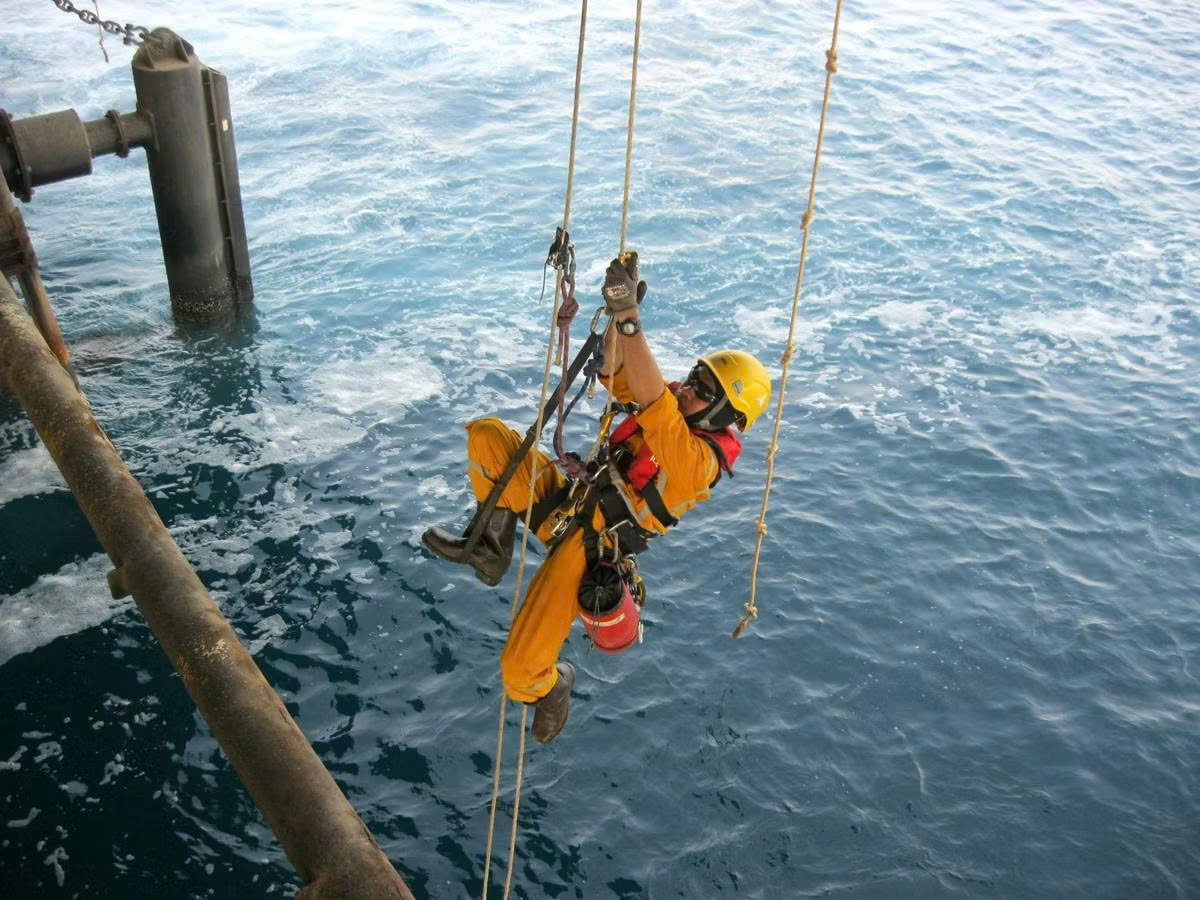
Rope Access Equipment refers to the collection of tools, devices, and support systems used in rope access operations to ensure worker safety when performing tasks at height or in hard-to-reach locations. These equipment systems enable technicians to safely access, position themselves, and work efficiently in areas where traditional access methods such as scaffolding or aerial platforms may be impractical.
A complete rope access system typically includes ropes, safety harnesses, ascenders and descenders, fall arrest devices, anchoring equipment, connectors, and specialized rescue gear. Each component plays a critical role in maintaining safety, stability, and compliance with industry standards during rope access operations.
List of Essential Rope Access Equipment
Below is a list of the essential equipment used in a rope access system for working at height.
1. Rope Access Rope System
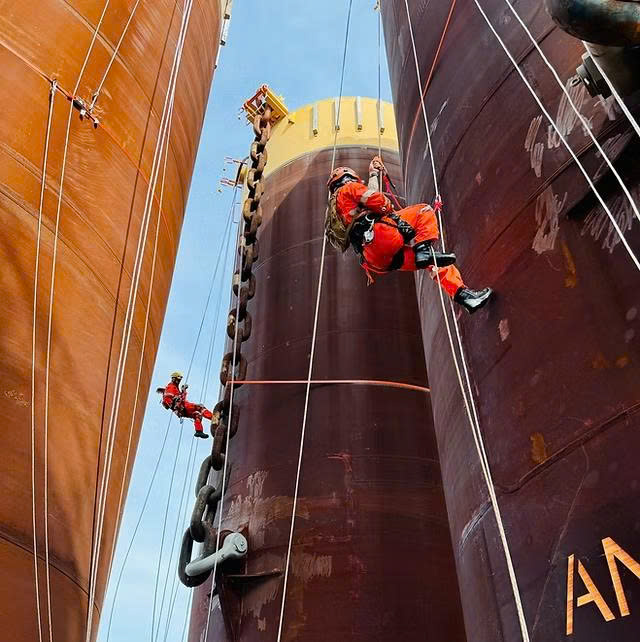
Ropes are the fundamental component of every rope access system, enabling technicians to access work locations, move safely at height, and perform tasks efficiently. According to international rope access standards, rope systems are always designed with two independent ropes to enhance worker safety and provide redundancy in the event of equipment failure.
The two-rope system typically consists of a working rope, which supports the technician during normal operations, and a safety rope (backup rope), which serves as a secondary line connected to a fall protection device. This dual-rope configuration is a key safety requirement in professional rope access operations and helps minimize the risks associated with working at height.
1.1. Working Rope
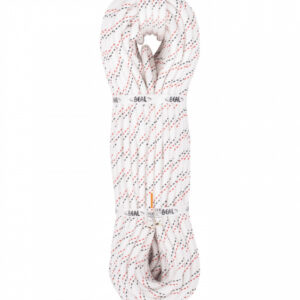
The working rope is the primary rope used to support technicians as they ascend, descend, position themselves, and perform tasks at height. It serves as the main load-bearing component of the rope access system during normal operations.
1.2. Safety Rope (Backup Rope)
The safety rope operates independently from the working rope and is used in conjunction with a fall arrest device. Its purpose is to provide a secondary level of protection and safeguard the worker in the event of a failure or malfunction of the primary system.
The simultaneous use of a working rope and a safety rope is one of the most fundamental principles of rope access. This dual-rope system significantly enhances worker protection and is a key factor in the high safety standards associated with rope access operations.

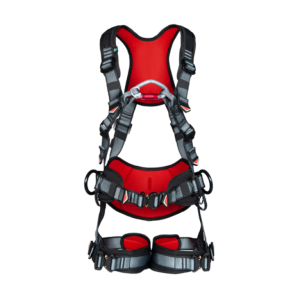
2. Rope Access Harness
A harness is one of the most critical components of a rope access system, serving as the connection point between the technician and the rope system, as well as various fall protection devices. It is designed to distribute loads across the user’s body while helping maintain a stable and comfortable working position during prolonged work at height.
In rope access operations, technicians often need to suspend themselves on ropes to access and work in challenging or hard-to-reach locations. The harness provides a secure attachment point to the system, supporting movement, work positioning, and reducing physical strain throughout the job.
Not all safety harnesses are suitable for rope access applications. Harnesses designed solely for basic fall arrest or other industrial uses may not meet the requirements for prolonged suspension, proper load distribution, or compatibility with specialized rope access equipment.
Using a harness specifically designed for rope access is essential not only for ensuring worker safety but also for improving comfort, mobility, and overall efficiency during work at height. A properly selected harness allows technicians to perform their tasks more effectively while minimizing fatigue during extended periods of suspension.

3. Rope Ascending and Descending Devices
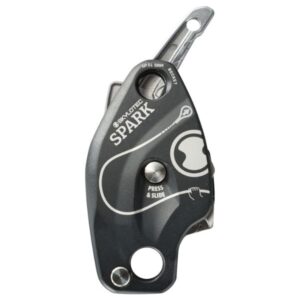
In a rope access system, ascending and descending devices play a vital role in helping technicians move along ropes smoothly, safely, and with full control while minimizing physical effort. These devices are essential for accessing work locations, particularly in tasks that require vertical movement at significant heights.
Ascender – Rope Ascending Device
An ascender is a mechanical device designed to assist technicians in climbing ropes efficiently and safely. Its specialized locking mechanism allows the device to move freely in one direction while gripping the rope when loaded, enabling controlled upward progression.
By reducing the physical effort required for rope climbing, ascenders improve efficiency and enhance user control during access operations. They are widely used in rope access applications such as structural inspections, industrial maintenance, wind turbine servicing, and other tasks that involve frequent changes in elevation.
Ascenders are typically used in combination with other rope access equipment to form a complete rope climbing system, ensuring safe and effective movement while working at height.
Descender – Rope Descending Device
A descender is a device that allows technicians to move down a rope safely and in a controlled manner. In addition to its primary function of controlled descent, the device also assists with work positioning, enabling technicians to maintain a stable and secure position while performing tasks at height.
In rope access operations, the descender is one of the most frequently used pieces of equipment. It enables workers to reach their work area quickly, efficiently, and with greater flexibility, especially in environments where conventional access methods are impractical.
Beyond everyday rope access applications, descenders also play a critical role in rescue systems. They are commonly used during rescue operations to lower casualties safely or to facilitate the controlled movement of injured personnel to a secure location. For this reason, descenders are considered an essential component of both rope access and emergency rescue systems.
4. Carabiners
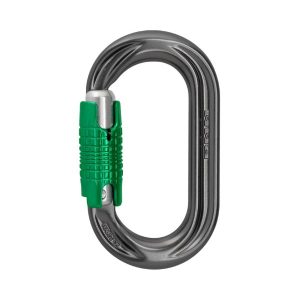
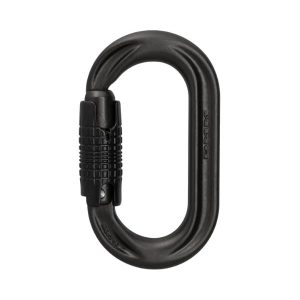
Carabiners are among the most frequently used components in a rope access system, serving as the critical connection points between the technician, ropes, and various work-at-height equipment. Despite their relatively small size, carabiners are essential links that help ensure the entire system operates safely, efficiently, and reliably.
In rope access applications, carabiners are used to connect harnesses, ropes, ascenders, descenders, lanyards, anchor systems, and other equipment. Their versatility and ease of use make them indispensable for both routine operations and rescue scenarios.
Carabiners used in rope access must comply with relevant safety standards, provide high load-bearing strength, and undergo regular inspection before use. In addition, the locking mechanism must function reliably to minimize the risk of accidental gate opening during operation. Properly maintained and correctly selected carabiners play a vital role in preserving the integrity and safety of the entire rope access system.
5. Anchor Equipment
Anchor systems form the foundation of every rope access operation. Regardless of the ropes or equipment being used, the entire system can only function safely when it is connected to suitable and reliable anchor points.
The Importance of Anchor Points
Anchor points are the load-bearing foundation of a rope access system. A properly designed and installed anchor point helps ensure system stability while significantly reducing risks during work at height.
Depending on the structure, work environment, and project requirements, technicians may use various types of anchor equipment, including slings, anchor straps, and temporary anchorage devices. These components create secure connection points between the rope access system and the supporting structure.
Before use, anchor systems must be assessed, installed, and inspected according to established procedures. In addition to providing adequate load-bearing capacity, anchor points must remain stable and fully compatible with the other components of the rope access system. Proper anchorage is one of the most critical factors in ensuring the overall safety and reliability of rope access operations.
6. Connecting Devices and Lanyards
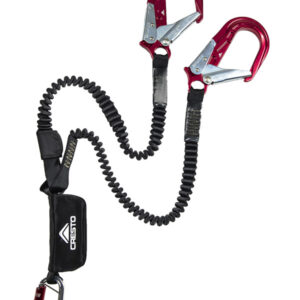
In addition to working ropes and safety ropes, lanyards are an important component that helps maintain a secure connection between the worker and the protection system. They are widely used in rope access operations to enhance both flexibility and safety while working at height.
The Role of Lanyards in Rope Access
Lanyards provide temporary or supplementary connection points during various stages of work. They help technicians maintain continuous protection when changing positions, transitioning between systems, or performing specialized tasks.
Connecting the Worker to the Safety System
Through appropriate attachment points, lanyards connect workers to ropes, anchor points, or other protective equipment. This helps ensure a continuous safety link throughout the entire operation, reducing the risk of accidental disconnection.
Applications for Movement and Work Positioning
Lanyards are commonly used when moving between work locations, transferring from one anchor point to another, or assisting with positioning in confined or complex work environments. As a result, they have become a standard component in most modern rope access equipment systems, providing additional security and versatility for technicians working at height.
7. Rope Access Helmet
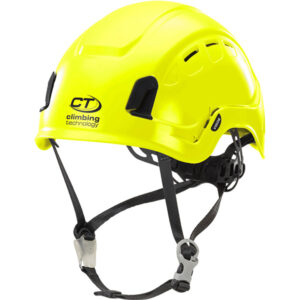
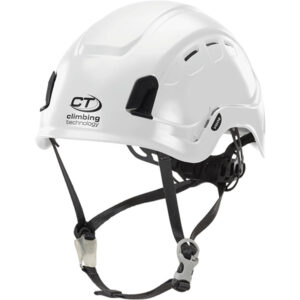
A helmet is an essential part of the Personal Protective Equipment (PPE) required for rope access operations. It helps protect workers from impact hazards, falling objects, and various risks associated with working at height.
Rope access helmets are specifically designed to provide stability and secure fit while technicians work in a variety of positions, including suspension and vertical movement. In addition to protection, these helmets are engineered for comfort during extended periods of use and are often compatible with accessories such as headlamps, hearing protection, and communication systems.
Helmets used in rope access must comply with relevant safety standards to ensure adequate protection in demanding work-at-height environments. Choosing certified and properly rated equipment is a critical factor in enhancing worker safety and reducing the risk of injury.
As one of the most important components of a rope access PPE system, a properly selected helmet provides reliable head protection while supporting the overall safety, efficiency, and professionalism of rope access operations.
Standards and Requirements for Rope Access Equipment
Rope access equipment must not only meet functional and durability requirements but also comply with internationally recognized safety standards. Using certified equipment helps ensure worker protection, minimize operational risks, and satisfy the safety requirements of clients, contractors, and regulatory organizations.
EN Standards
EN (European Standards) are widely recognized standards for work-at-height and fall protection equipment throughout Europe. Many rope access products, including ropes, harnesses, carabiners, ascenders, and descenders, are manufactured and tested according to specific EN standards to ensure adequate strength, durability, and performance in real-world working environments.
Compliance with EN standards provides confidence that the equipment has undergone rigorous testing and meets established safety requirements for professional use.
ANSI Standards
ANSI (American National Standards Institute) standards are commonly applied in the United States for personal protective equipment (PPE) and fall protection systems. These standards define requirements for the design, testing, performance, and reliability of safety equipment used across various industrial sectors.
ANSI-certified equipment is designed to enhance worker safety and ensure consistent performance when operating in demanding work-at-height environments.
IRATA Requirements
IRATA (Industrial Rope Access Trade Association) is the world’s leading authority in rope access, developing comprehensive guidelines and strict requirements for equipment, training, and rope access procedures.
According to IRATA requirements, rope access equipment must be suitable for its intended purpose, regularly inspected, properly maintained, and compliant with recognized safety standards before being placed into service. IRATA also emphasizes the importance of routine equipment checks, documented inspections, and the use of appropriate equipment by trained and competent personnel.
By following IRATA guidelines and using certified equipment, organizations can improve workplace safety, reduce operational risks, and ensure compliance with internationally accepted rope access best practices.
Regular Inspection and Certification of Equipment
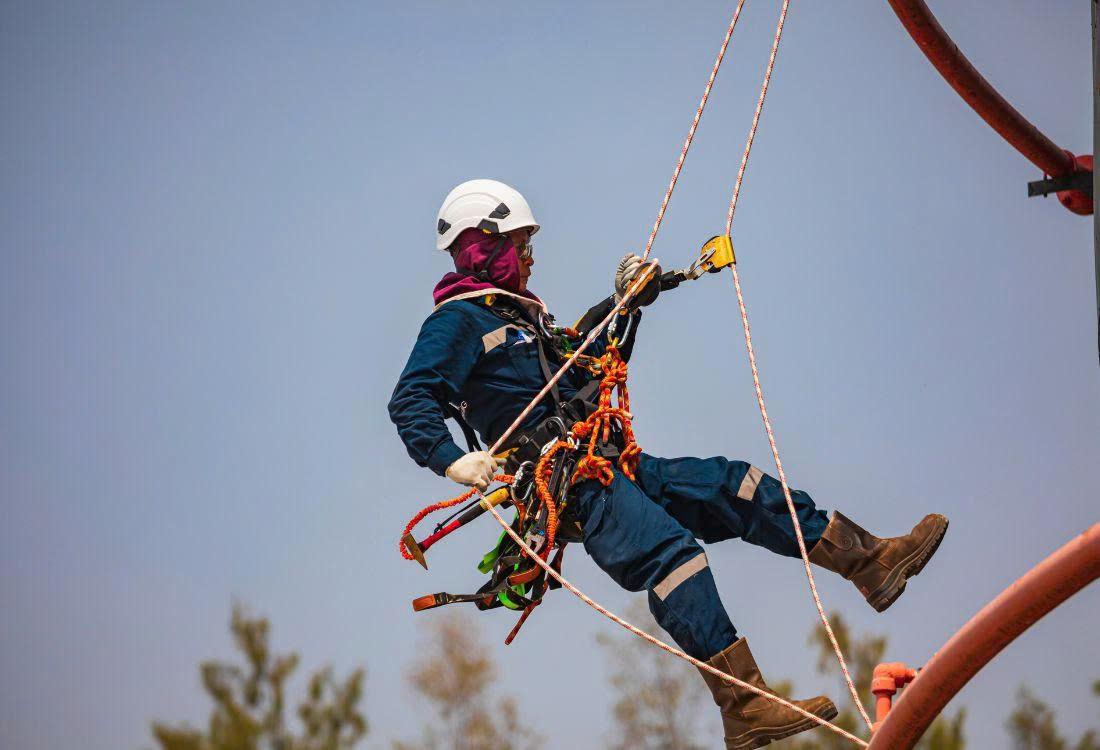
In addition to selecting equipment that meets recognized safety standards, regular inspection and certification play a crucial role in maintaining the safety and reliability of a rope access system. All equipment should be inspected before each use to identify signs of damage, wear, corrosion, deformation, or any other condition that could affect its performance and safety.
Routine pre-use inspections by technicians help ensure that equipment remains in good working condition and suitable for the intended task. Any equipment showing signs of excessive wear or damage should be removed from service immediately and assessed according to the organization’s safety procedures.
Beyond user inspections, many rope access devices require periodic thorough examinations by a competent person in accordance with manufacturer recommendations and applicable safety standards. These inspections help verify the continued integrity and performance of critical equipment throughout its service life.
Maintaining detailed inspection records and equipment usage histories is also an essential part of any rope access safety management system. Proper documentation supports compliance with industry standards, helps track equipment condition over time, and contributes to safer and more efficient rope access operations.
Common Mistakes When Choosing Rope Access Equipment
Equipping workers with the proper rope access equipment is essential for maintaining safety at height. However, selecting inappropriate equipment or using it incorrectly can significantly increase operational risks. Below are some of the most common mistakes that rope access technicians and organizations should avoid.
Using Equipment for the Wrong Purpose
Each piece of rope access equipment is designed for a specific function within the system. Using equipment outside its intended purpose or substituting it with unsuitable alternatives can compromise performance and reduce the overall safety of the rope access system.
To ensure safe operations, all equipment should be used according to manufacturer guidelines and industry best practices.
Using Non-Compliant Equipment
Selecting equipment with unclear origins or products that do not comply with recognized safety standards is a common factor contributing to incidents during work at height. Rope access technicians should prioritize certified equipment that meets the relevant requirements for rope access applications.
Using compliant and properly tested equipment helps ensure reliability, performance, and worker safety in demanding environments.
Failing to Perform Regular Inspections
Even high-quality equipment is subject to wear and deterioration over time. Skipping pre-use inspections or neglecting periodic examinations can allow damage, defects, or excessive wear to go unnoticed, increasing the likelihood of equipment failure.
Routine inspections and proper maintenance are essential for identifying potential issues before they become safety hazards.
Lack of a Backup Safety System
One of the fundamental principles of rope access is the use of an independent backup system to protect the worker. The absence of a safety rope, backup fall arrest device, or an appropriate rescue plan can significantly reduce the ability to respond effectively in the event of an emergency.
A properly designed rope access system should always include redundancy and emergency preparedness measures to maximize worker protection.
Conclusion
Rope access equipment is the foundation of safe and efficient work-at-height operations. From rope systems and harnesses to ascending and descending devices, anchor equipment, connectors, and rescue gear, each component serves a specific purpose and contributes to the overall integrity of the system.
Selecting equipment that complies with recognized safety standards, using it correctly, and conducting regular inspections are essential responsibilities for every rope access technician and organization. In addition, ensuring that all necessary equipment is available and that established work procedures are followed can help minimize risks, improve operational efficiency, and meet the safety demands of today’s industrial environments.
By investing in quality equipment and maintaining a strong safety culture, companies can create safer workplaces and achieve more reliable outcomes in rope access operations.
