


Chưa phân loại
What Is a Descender? Its Role and Applications in Rope Access
Jun
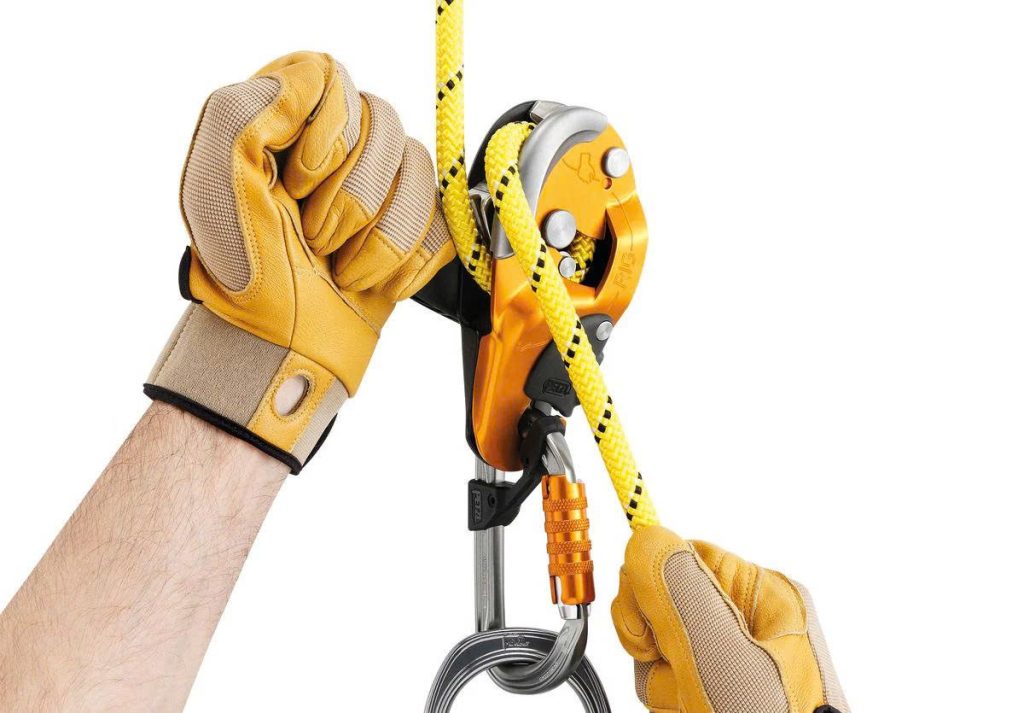
A descender is one of the most important devices in a Rope Access system, enabling technicians to descend, position themselves, and access work locations safely and with full control. This equipment is widely used across industries such as industrial maintenance, wind energy, oil and gas, and technical rescue operations.
In this article, FPR Supply will explain what a descender is, how it works, the different types of descenders available, and the key factors to consider when selecting the right device for working at height.
What Is a Descender?
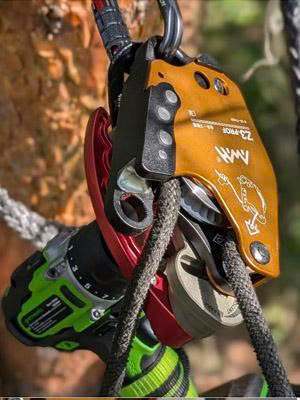
A descender is a device designed to control and manage rope descent safely and in a controlled manner. It works by creating friction on the rope, allowing the user to regulate their descent speed according to the task requirements and working conditions.
In modern Rope Access systems, a descender is typically used in combination with a working rope, harness, and other fall protection equipment to create a complete rope access system for working at height. It is one of the most frequently used devices for accessing work locations and performing tasks while suspended on ropes.
How Does a Descender Work?
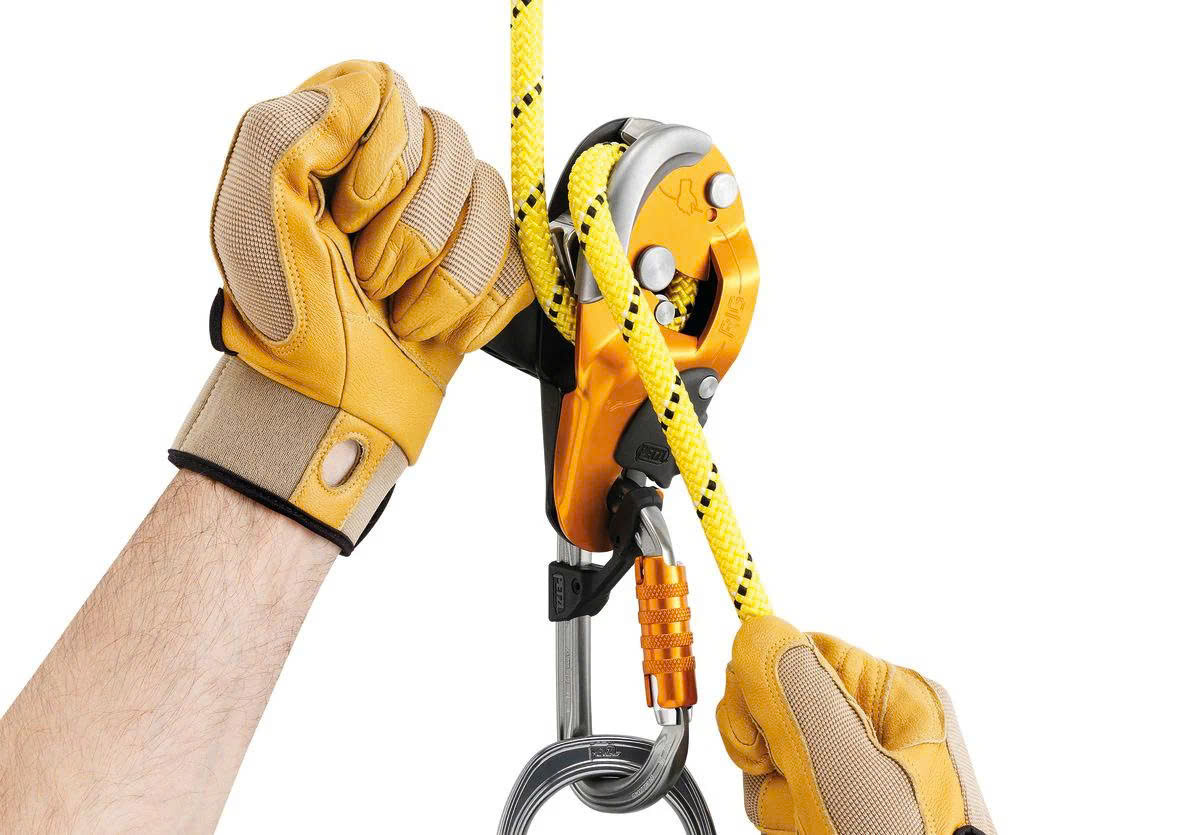
A descender works by creating friction between the device and the rope to control the user’s movement during descent. When the rope is threaded through the device according to the manufacturer’s instructions, the descender generates resistance that allows the user to descend smoothly and in a controlled manner rather than falling freely.
By operating the control handle or adjustment mechanism, the user can increase or decrease the descent speed based on the task requirements and working conditions. This enables safer and more precise access to the work area.
Locking and Braking Mechanism
Many modern descenders are equipped with an automatic locking system to enhance safety during use. When the user releases the handle or stops operating the device, the locking mechanism engages automatically, helping maintain the user’s position on the rope.
In addition, some descenders feature an anti-panic function. This safety feature automatically stops or locks the device if the user accidentally pulls the control handle too hard in an emergency situation. By preventing uncontrolled descent, the anti-panic mechanism significantly reduces the risk of accidents while working at height.
Common Types of Descenders
Today, descenders are available in a wide range of designs and configurations to meet the diverse requirements of Rope Access, technical rescue, and industrial applications. Choosing the right descender can improve work efficiency, enhance rope control, and help meet the safety requirements of specific working environments.
Manual Descender
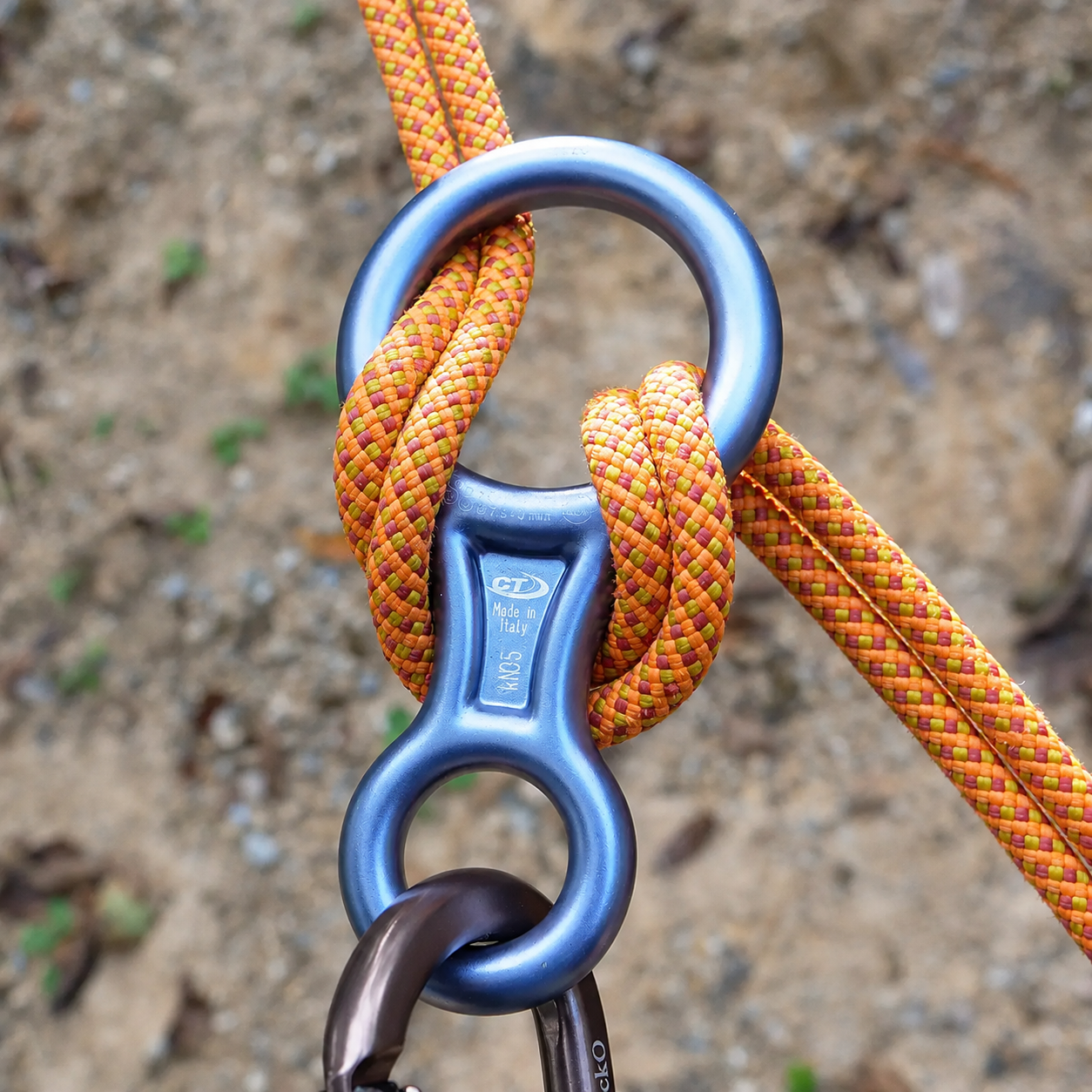
A manual descender is a mechanical rope descent device that operates through direct user control. The device creates friction on the rope to regulate descent speed, allowing technicians to descend safely and in a controlled manner.
Thanks to their simple design, durability, and reliability, manual descenders are among the most commonly used devices in Rope Access systems. They are widely utilized for work-at-height applications where precise rope control and safe descent are essential.
Self-Braking Descender
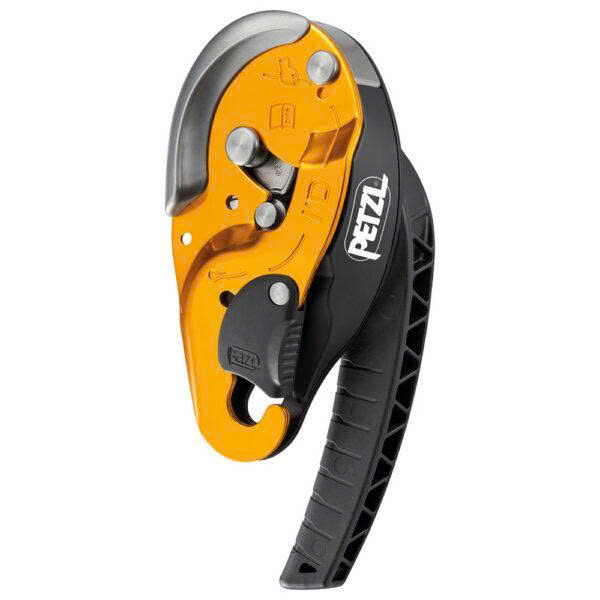
A self-braking descender is a type of descender equipped with an automatic locking mechanism designed to enhance user safety. When the user releases the control handle or stops operating the device, the locking system automatically engages, holding the user securely in position on the rope.
This added safety feature helps prevent uncontrolled movement and provides greater confidence when working at height, making self-braking descenders a popular choice in professional Rope Access applications.
Rescue Descender
A rescue descender is specifically designed for rope rescue and emergency evacuation operations. In addition to standard descent functions, these devices can support rescue systems, facilitate the raising and lowering of casualties, and assist in managing emergency situations safely and efficiently.
Rescue descenders are commonly used by technical rescue teams, emergency responders, and industrial rescue personnel where precise load control and reliable performance are critical. Their specialized design helps ensure safe operation when handling both rescuers and victims during complex rescue scenarios.
What Industries Use Descenders?
Thanks to their ability to control movement on ropes safely and precisely, descenders are widely used across industries that require working at height or accessing hard-to-reach locations. From industrial Rope Access operations to technical rescue, these devices play a critical role in helping workers access, position themselves, and perform tasks efficiently while suspended on ropes.
Rope Access
Rope Access is the most common application for descenders today. These devices allow technicians to descend safely to work locations, maintain stable working positions, and move efficiently throughout a rope system.
In activities such as facade maintenance, structural inspections, industrial plant maintenance, and offshore operations, descenders are an essential component of every Rope Access system.
Wind Energy
In the wind energy sector, technicians often work on tall wind turbines to perform inspections, maintenance, and repairs. Descenders enable workers to access elevated work areas safely while providing controlled movement and positioning on turbine structures.
Their ability to precisely regulate descent speed makes descenders a valuable tool for modern wind turbine maintenance projects.
Oil & Gas and Offshore
Offshore platforms, FPSOs, and other oil and gas facilities often contain areas that are difficult to access using traditional methods. Rope Access systems combined with descenders provide an efficient solution for inspections, maintenance, and repair work in these challenging environments.
By improving accessibility and flexibility, descenders help reduce project setup times and minimize the need for scaffolding or heavy lifting equipment.
Industrial Maintenance
In industrial environments, descenders are commonly used for maintenance work on factories, storage tanks, silos, steel structures, and other high-elevation assets.
These devices allow technicians to access work areas quickly and efficiently, helping reduce downtime and improve operational productivity.
Technical Rescue
Descenders are a key component of rope rescue systems. They are used to access casualties, control rescue descents, and safely lower or evacuate individuals from hazardous locations.
In emergency situations, the ability of a descender to manage loads and control rope movement can be critical to the success of a rescue operation.
Confined Space Access
Work in confined spaces such as tanks, shafts, tunnels, and vertical entry points often requires specialized rope access systems. Descenders enable workers to move safely into and out of these restricted environments while maintaining full control throughout the process.
They also play an important role in emergency rescue plans, allowing rescuers to quickly and safely evacuate personnel in the event of an incident within a confined space.
What Is the Difference Between a Descender and an Ascender?
Although both are essential components of a Rope Access system, descenders and ascenders are designed for completely different purposes. An ascender helps users move upward on a rope, while a descender is used to control descent and maintain work positioning during rope access operations.
| Descender | Ascender |
|---|---|
| Used for descending | Used for ascending |
| Controls movement through rope friction | Uses a one-way locking mechanism |
| Supports work positioning | Assists with rope climbing and access |
| Designed for rope access and controlled descent | Designed for upward movement on a fixed rope |
Despite their different functions, these two devices are often used together in Rope Access systems to provide safe, efficient, and controlled movement on ropes. By combining ascending and descending capabilities, technicians can access work locations more effectively and maintain greater flexibility while working at height.
When Should You Use a Descender?
A descender is used whenever controlled rope descent or work positioning is required. It allows workers to regulate their movement precisely while descending and helps them maintain a stable working position when performing tasks such as inspections, maintenance, and repairs at height.
In addition to Rope Access applications, descenders are widely used in technical rescue operations, confined space entry, and various industrial work-at-height environments where controlled movement on ropes is essential.
When Should You Use an Ascender?
An ascender is used when climbing a fixed rope to access a work location. The device operates using a one-way locking mechanism that allows upward movement while preventing the user from sliding back down the rope under load.
Ascenders are commonly used in Rope Access, wind energy, telecommunications, oil and gas, and rescue operations where frequent rope climbing is required.
Why Does Rope Access Require Both Devices?
In most professional Rope Access systems, technicians rely on both ascenders and descenders to move efficiently on ropes. Ascenders enable upward travel to reach the work area, while descenders provide controlled descent, work positioning, and movement management during operations.
Together, these devices allow safe and flexible movement in both directions on a rope system. Their combined use improves efficiency, enhances worker mobility, and helps maintain a high level of safety in complex work-at-height environments.
Key Factors to Consider When Choosing a Descender
Selecting the right descender is essential not only for work efficiency but also for ensuring user safety. Different work environments have different requirements in terms of functionality, load capacity, and operational performance. Below are some of the most important factors to consider when choosing a descender.
Type of Work
The first factor to consider is the intended application. Standard descenders may be suitable for general Rope Access tasks, while specialized applications such as rescue operations, wind energy, oil and gas, or confined space work may require devices with additional features and enhanced capabilities.
Choosing a descender that matches the specific job requirements helps improve efficiency and ensures the equipment is used within its intended design parameters.
Compatible Rope Diameter
Each descender is designed to operate within a specific rope diameter range. Using an incompatible rope can affect friction performance, descent control, and the overall safety of the system.
Before selecting a descender, always review the manufacturer’s specifications to ensure compatibility with the rope being used.
Working Load Capacity
Load capacity is a critical consideration for any Rope Access device. In addition to the user’s body weight, it is important to account for tools, equipment, and any additional loads carried during the job.
For industrial and rescue applications, selecting a descender with an appropriate working load capacity helps ensure safe and reliable system performance.
Anti-Panic Function
Many modern descenders are equipped with an anti-panic feature to enhance operational safety. If the user accidentally pulls the control handle too hard during a stressful or emergency situation, the device automatically engages its locking mechanism to prevent excessive descent speed.
This feature is highly valued in Rope Access and technical rescue applications because it significantly reduces the risk of losing control while working at height.
Rescue Capability
For jobs that involve rescue or emergency evacuation requirements, a descender’s rescue capability is an important factor to evaluate. Some devices are designed to support both lowering and raising loads, making them suitable for technical rescue systems and casualty evacuation procedures.
Choosing a descender that can accommodate multiple operational scenarios can help organizations maximize equipment value while increasing the flexibility of their Rope Access systems.
Common Mistakes When Using a Descender
A descender is a critical component of any Rope Access system, but improper use can reduce work efficiency and increase safety risks. Below are some of the most common mistakes users should avoid.
Using the Wrong Rope
Each descender is designed to work with a specific range of rope diameters. Using an incompatible rope can reduce friction control, affect descent speed, and compromise the overall safety of the system.
Before use, always verify that the rope meets the manufacturer’s specifications and is compatible with the descender.
Failing to Inspect the Device Before Use
A descender should be inspected before every use to identify signs of wear, damage, corrosion, or deformation that could affect its performance.
Skipping this inspection may allow hidden defects to go unnoticed, increasing the risk of equipment failure while working at height.
Not Using a Backup System
In Rope Access, a descender is not the only safety device. A safe rope access system should always include an independent safety rope and backup fall arrest device operating separately from the working line.
Failing to use a backup system can significantly reduce worker protection in the event of an equipment or system failure.
Exceeding the Working Load Limit
Every descender has a maximum working load specified by the manufacturer. Operating beyond this limit can negatively affect performance, accelerate wear, and create serious safety hazards.
Users should always calculate the total load, including body weight, tools, equipment, and any additional carried items, before using the system.
Incorrect Descending Techniques
Improper operation of a descender can result in excessive descent speed or loss of control while moving on the rope. Users should receive proper training on installation, operation, and emergency procedures in accordance with the manufacturer’s instructions and established Rope Access practices.
Using the device correctly not only improves safety but also helps extend the service life of the equipment.
Conclusion
A descender is one of the core devices in a Rope Access system, providing controlled descent, work positioning, and safe access to elevated work areas. Thanks to its ability to manage rope movement with precision, the descender has become an essential tool in industries such as industrial Rope Access, wind energy, oil and gas, facility maintenance, and technical rescue.
However, the effectiveness and safety of a Rope Access system depend not only on the device itself but also on selecting equipment that matches the intended application, working load requirements, and relevant safety standards. Regular inspections, proper operating techniques, and strict adherence to work-at-height procedures are equally important for minimizing operational risks.
To build a complete and safe Rope Access system, a descender should be used in conjunction with other essential equipment such as ascenders, harnesses, ropes, carabiners, and fall protection systems. Together, these components create an integrated solution that improves efficiency, enhances accessibility, and helps ensure technician safety in demanding work-at-height environments.
