


Chưa phân loại
What is PPE for working at height? Essential PPE Equipment
Apr
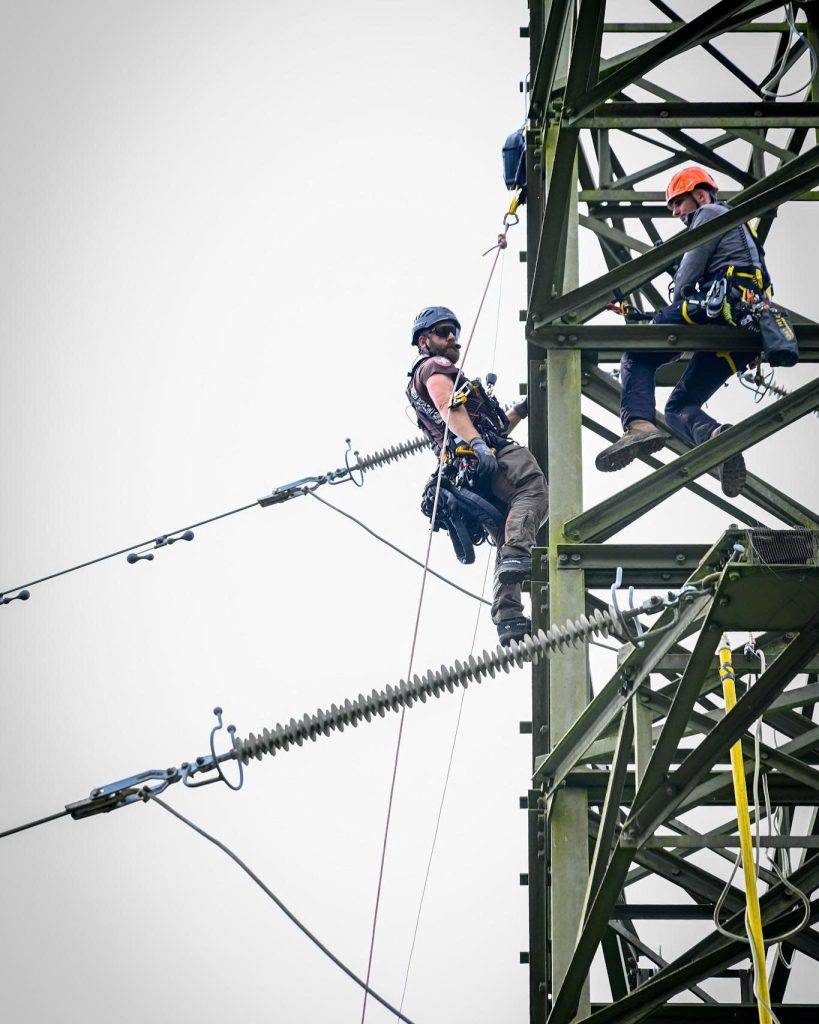
Working at heights always involves serious risks such as falls, loss of balance, or collisions with surrounding hazards. Even a small mistake can lead to severe accidents, directly affecting the health and lives of workers. Therefore, using PPE for working at heights is no longer optional—it has become a mandatory requirement in all construction and operational environments. Protective equipment such as safety harnesses, fall arrest systems, and anchor points plays a crucial role in minimizing risks and ensuring maximum safety. To better understand the fundamentals, you can also refer to the article “What Is PPE?” for an overview before exploring specialized equipment for working at heights.
What Is PPE for Working at Heights?
PPE for working at heights refers to a set of specialized personal protective equipment designed to help workers prevent falls, reduce impact forces, and protect their lives when working at dangerous heights.
In practice, PPE for working at heights plays a critical role:
- Fall prevention: Keeps workers from free-falling in case of an incident
- Injury reduction: Absorbs impact forces to minimize serious injuries
- Life protection: Acts as the last line of defense in hazardous situations
Compared to standard PPE (such as helmets, gloves, and safety shoes), equipment for working at heights requires stricter technical specifications and higher safety standards. It mainly focuses on fall protection systems and secure connections, including safety harnesses, anchor points, and self-retracting lifelines. This type of PPE is mandatory in jobs such as construction, installation, and maintenance at significant heights.
What Does PPE for Working at Heights Include?
PPE for working at heights consists of various specialized equipment designed to form a complete fall protection system, ensuring worker safety throughout operations at dangerous heights. Using the right and sufficient equipment not only enhances safety but also improves work efficiency.
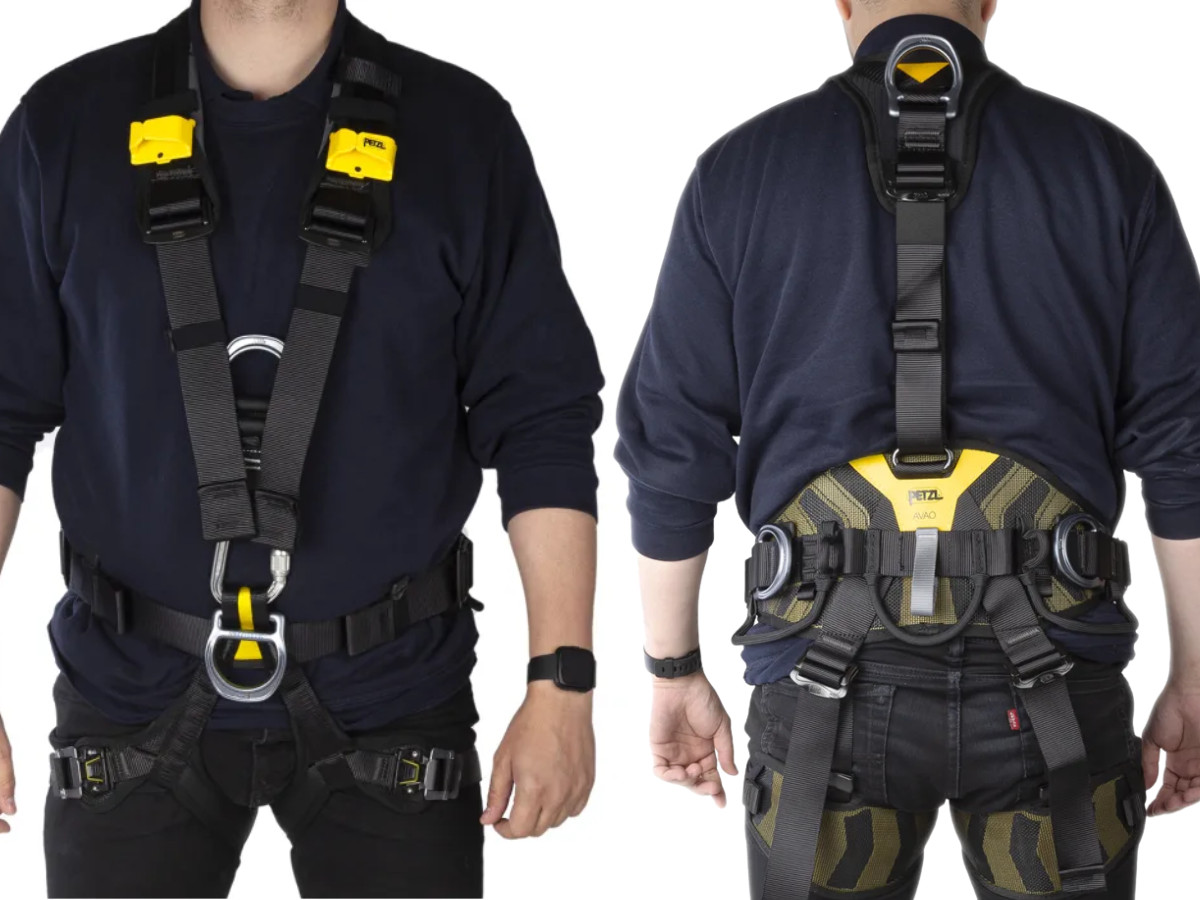
Full Body Safety Harness
The safety harness is the core piece of equipment that secures the worker’s body in the event of a fall. There are two common types: full body harnesses and half body harnesses. Among them, full body harnesses are recommended for working at heights due to their better force distribution.
Applications: Construction, steel structure installation, factory maintenance.
Lanyard (Fall Protection Line)
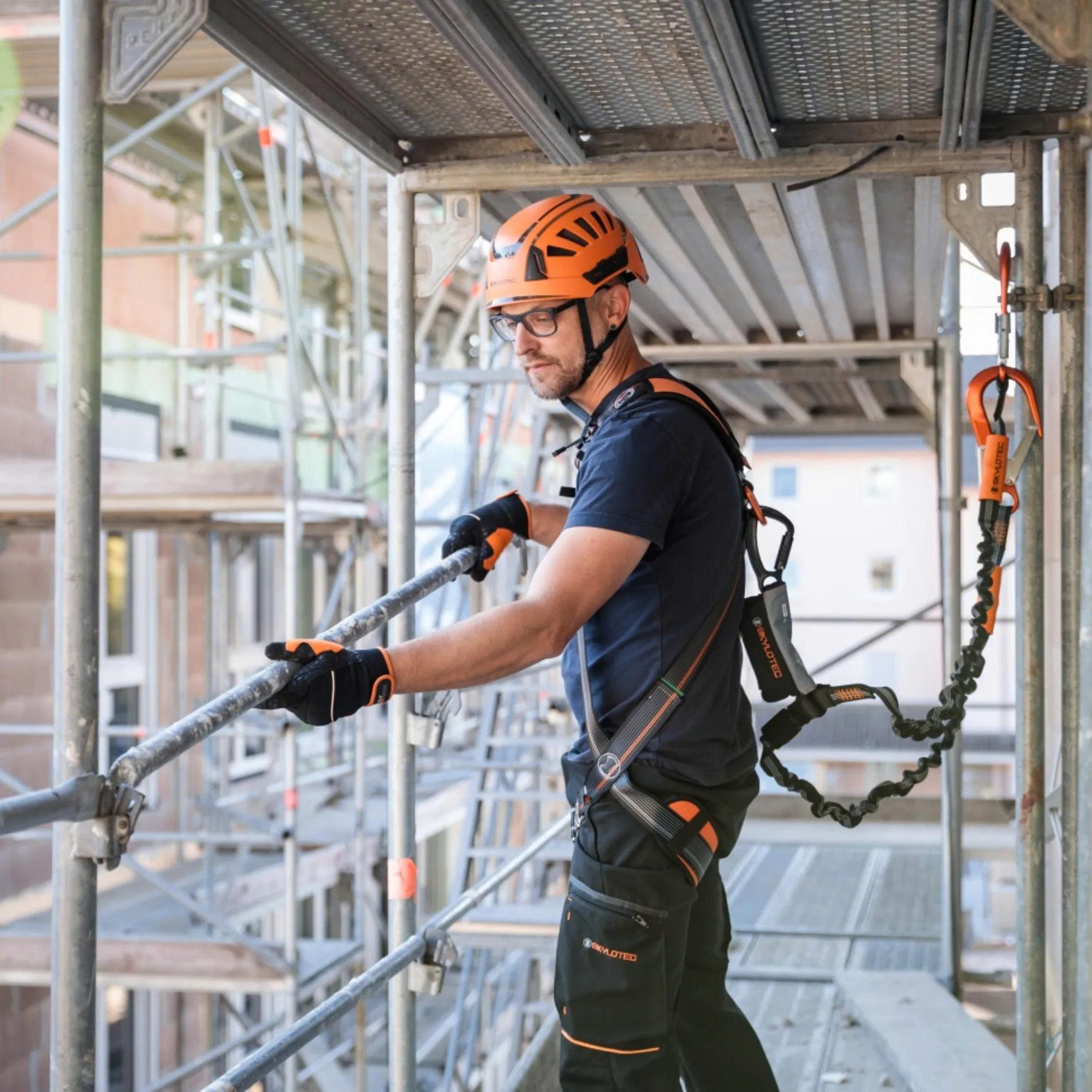
A lanyard connects the safety harness to an anchor point and helps reduce impact forces in the event of a fall. Shock-absorbing lanyards are especially effective, as they absorb energy and minimize injury to the user.
Applications: Working on scaffolding, climbing utility poles, and maintenance tasks.
Retractable Fall Arrester
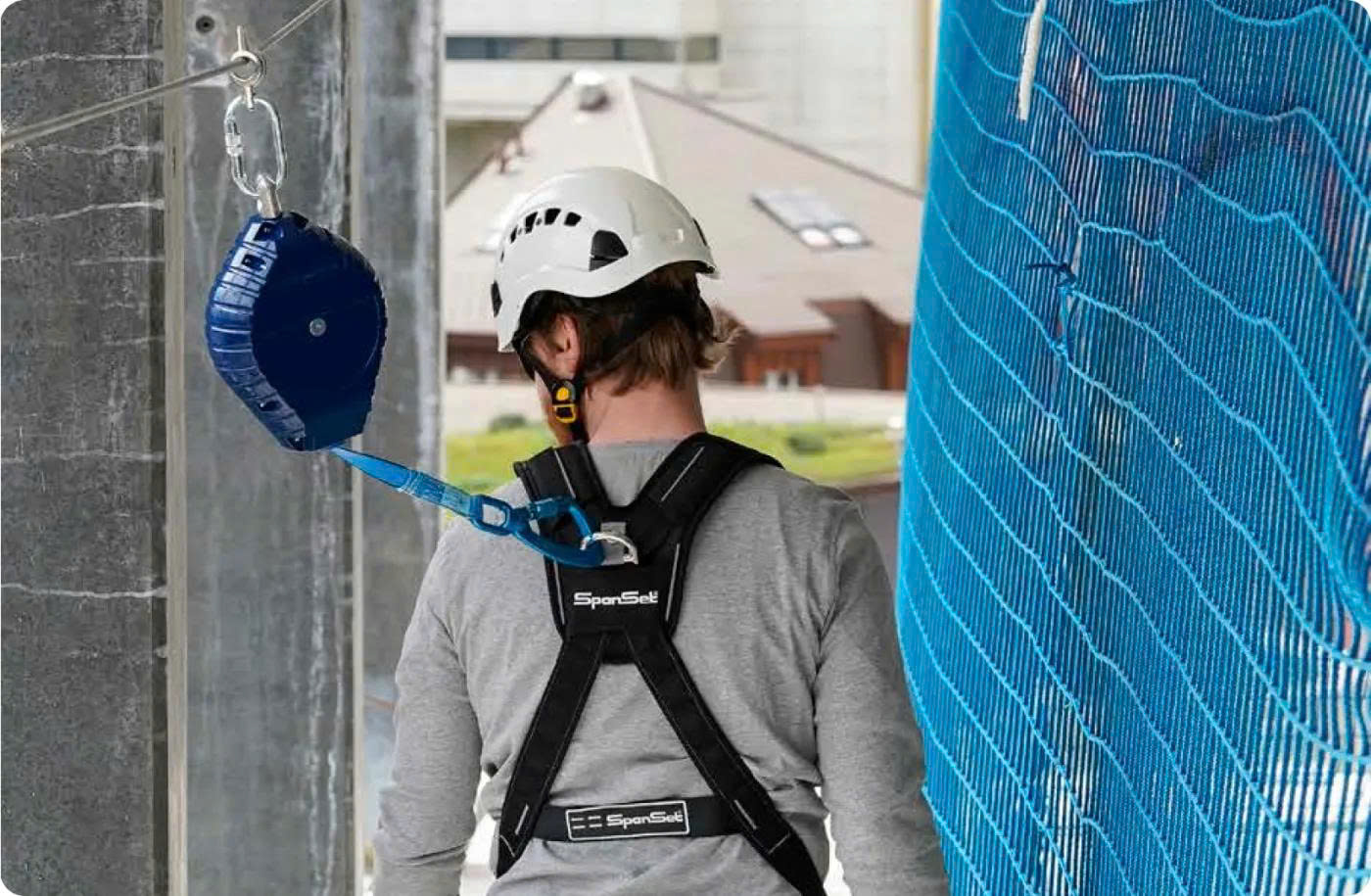
Retractable fall arrester operates with an automatic retracting mechanism that locks instantly when a free fall is detected, stopping the fall almost immediately. It is a modern solution that enhances safety and flexibility during movement.
Applications: Factories, warehouses, and high-rise construction sites.
Lifeline
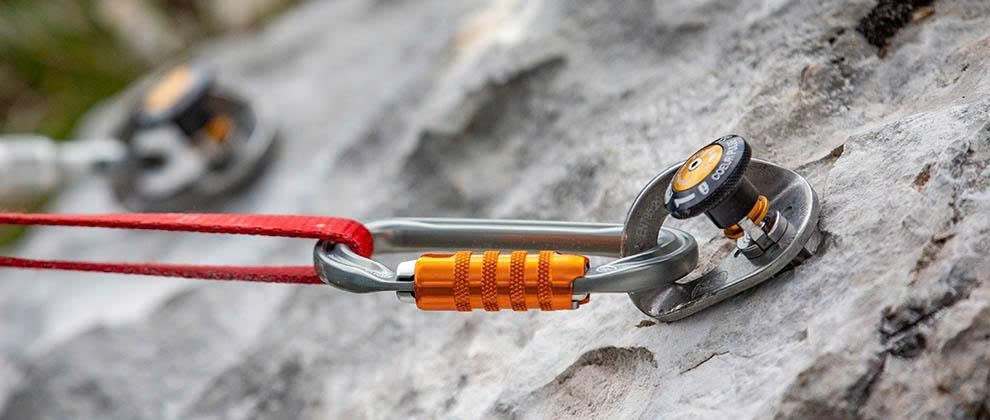
A lifeline is a system of lines that supports workers in moving safely along a fixed path. It can be configured as a horizontal or vertical lifeline, depending on the working environment.
Applications: Climbing ladders, working on roofs, and moving at heights.
Safety Helmet
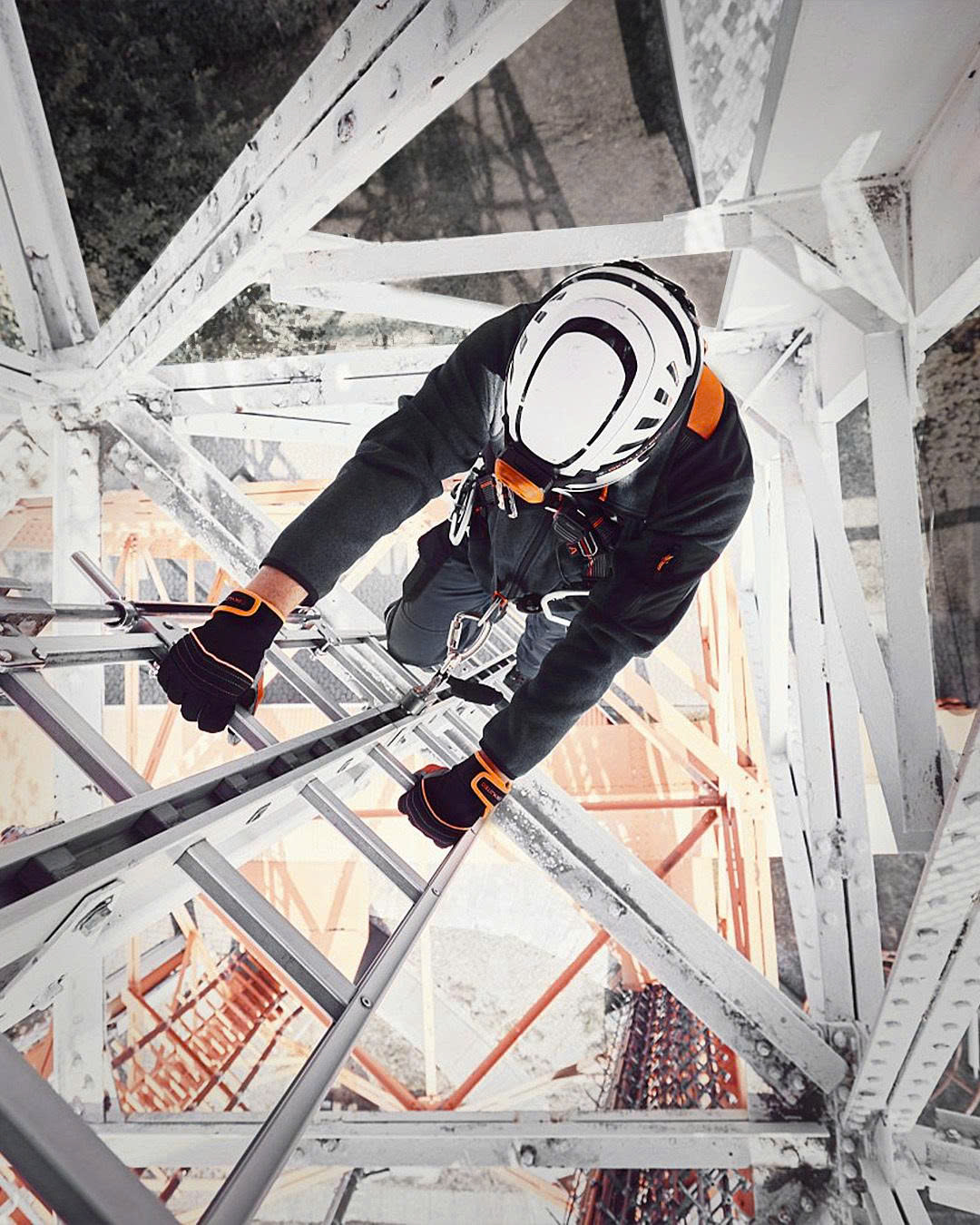
In addition to fall protection systems, a safety helmet protects the head from impacts, slips, and falling objects from above. It is an essential piece of equipment for any work at heights.
Applications: Widely used in construction, industrial work, and electrical sectors.
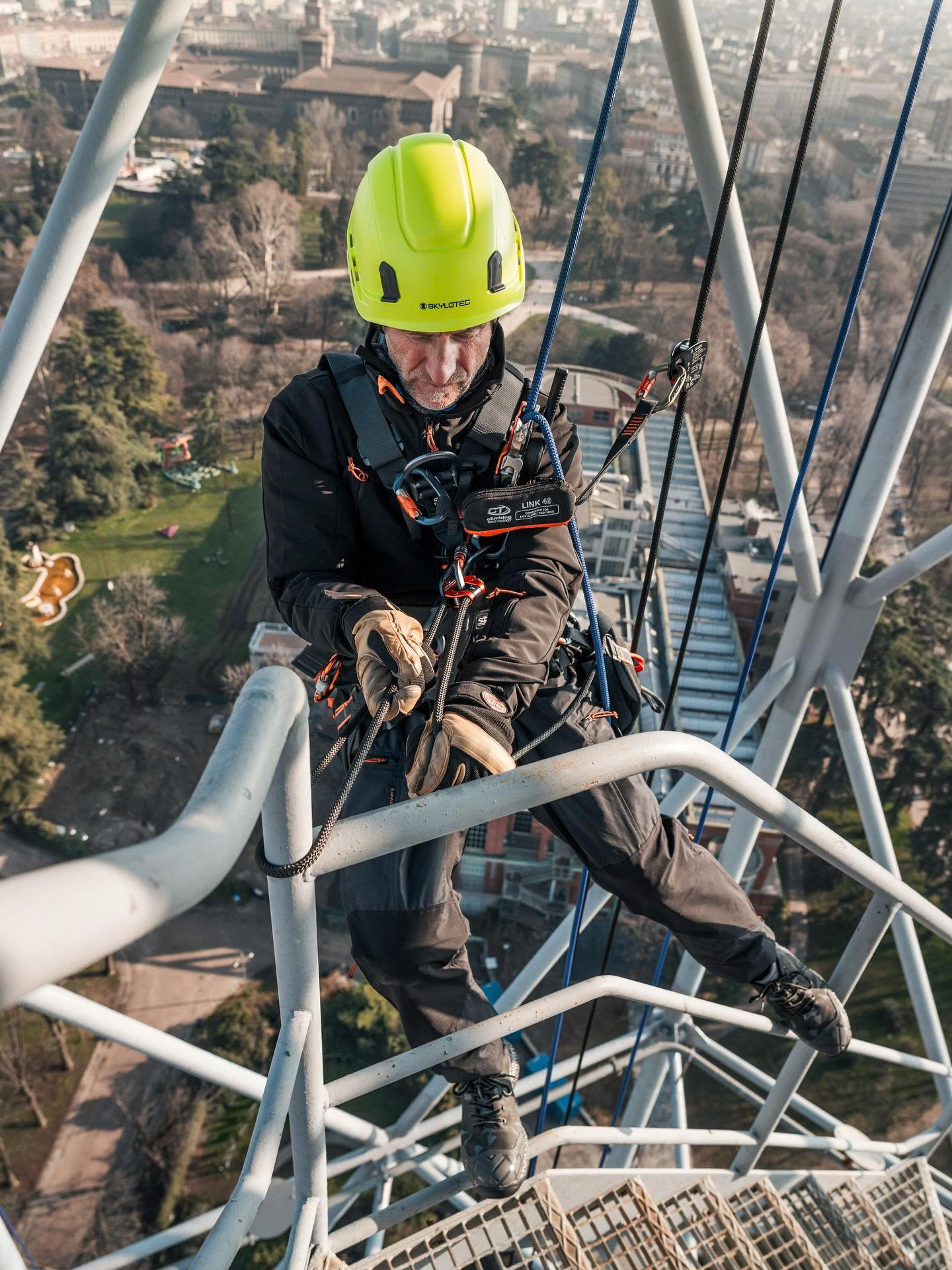
Using all the above equipment together creates a complete PPE system for working at heights, helping to minimize risks and ensure maximum safety for workers.
Safety Standards for PPE in Working at Heights
To ensure maximum protection, PPE used in work-at-height environments must comply with strict technical standards. Choosing certified PPE not only helps reduce the risk of accidents but also ensures legal compliance and reliability during use.
Some common standards include:
- EN (Europe): A widely adopted European standard system that specifies requirements for design, load capacity, and safety of fall protection equipment such as harnesses, lanyards, and anchor points
- ANSI (USA): American standards focusing on product performance and real-world protection in demanding work environments, ensuring equipment functions effectively during incidents
- OSHA (Occupational Safety Regulations): A set of workplace safety regulations in the U.S. that require proper use of PPE when working at heights to minimize accidents and protect workers
Prioritizing certified equipment not only enhances safety but also demonstrates professionalism and responsibility in occupational safety management.
How to Choose the Right PPE for Working at Heights
Choosing the right PPE for working at heights is a key factor in ensuring effective protection and worker safety. Not all equipment is suitable for every environment, so careful consideration is needed based on job requirements and technical standards.
- Match the height and environment: Each job (construction, electrical work, maintenance, etc.) carries different levels of risk, requiring appropriate equipment
- Select the correct load capacity: Ensure harnesses, anchor points, and related equipment can handle the user’s weight and working conditions
- Prioritize certified products: Choose PPE that meets safety standards such as EN or ANSI to ensure quality and reliability
- Check durability and brand: Products from reputable brands typically offer better durability, stable performance, and verified quality
To ensure maximum safety and avoid risks during use, you should purchase PPE from trusted suppliers that provide certified products and clear support policies.
Safe Procedure for Using PPE When Working at Heights
To ensure maximum protection, workers must follow the correct procedures for using PPE at heights according to standard guidelines. Proper usage not only minimizes risks but also maximizes the effectiveness of each component in the fall protection system.
PPE usage process when working at heights:
- Inspect equipment: Before use, check all PPE such as harnesses, lanyards, and connectors to ensure there are no signs of damage, cracks, or wear
- Wear correctly: Put on the safety harness according to instructions, ensuring all buckles are securely fastened and fit snugly to the body
- Connect to the correct anchor point: Attach the lanyard to a certified anchor point with sufficient load capacity and proper installation
- Final check before working: Review the entire system to ensure all connections are secure and ready for safe operation
- Maintain continuous connection: Throughout the work process, always stay connected to the fall protection system and never detach while at height
Following these steps will help minimize accidents and ensure worker safety in all work-at-height situations.
Common Dangerous Mistakes When Using PPE at Heights
Even with full equipment, improper use of PPE can prevent it from providing effective protection. In reality, many serious accidents when working at heights are caused by basic mistakes that are often overlooked.
Common dangerous mistakes:
- Not attaching to an anchor point: This is an extremely serious error, as it renders the entire fall protection system ineffective in case of an incident
- Using low-quality equipment: Non-certified PPE can break, fail, or be unable to withstand impact forces during a fall
- Skipping pre-use inspection: Undetected damage or wear can directly lead to dangerous situations
- Carelessness during work: Not wearing full PPE or removing it during work significantly increases the risk of accidents
Recognizing and avoiding these mistakes not only improves safety but also helps build professional work habits, protecting both you and your colleagues in work-at-height environments.
Conclusion
In summary, PPE for working at heights is a mandatory requirement in any environment with fall risks, helping protect workers from serious hazards. Choosing and using the right equipment not only minimizes accidents but also directly safeguards the user’s life and health. Investing in proper PPE is, ultimately, an investment in safety and sustainable development.
If you are looking for high-quality, standard-compliant PPE for working at heights, explore available product categories or contact a trusted supplier for expert advice tailored to your business needs.
